
Why Fast Fashion Is More Than an Environmental Problem: The Human Cost
Fast fashion is usually discussed in terms of waste and pollution, but the human side is just as important. This article explains what fast fashion is, what the main concerns are for garment workers and for the environment, and what shoppers can do about it.
What is fast fashion?
Fast fashion is a model built on quick turnaround, high volume and low prices. Brands release new styles very frequently, often copying trends from the catwalk, and sell them cheaply. Keeping prices that low puts pressure on every stage of production, from fabric costs to wages.
Concerns for garment workers
- Low pay: campaigners and researchers have repeatedly reported garment workers earning less than a living wage, sometimes for long hours.
- Limited transparency: production is often split across many subcontracted factories, which makes it hard for brands, let alone shoppers, to know where and how a garment was made.
- Unsafe conditions and forced labour: investigations by journalists, unions and NGOs have documented unsafe workplaces and, in some cases, child or forced labour in garment supply chains.
These problems are not limited to any one brand or price point. Higher prices do not guarantee better conditions, which is one reason independent investigations matter.
Environmental concerns
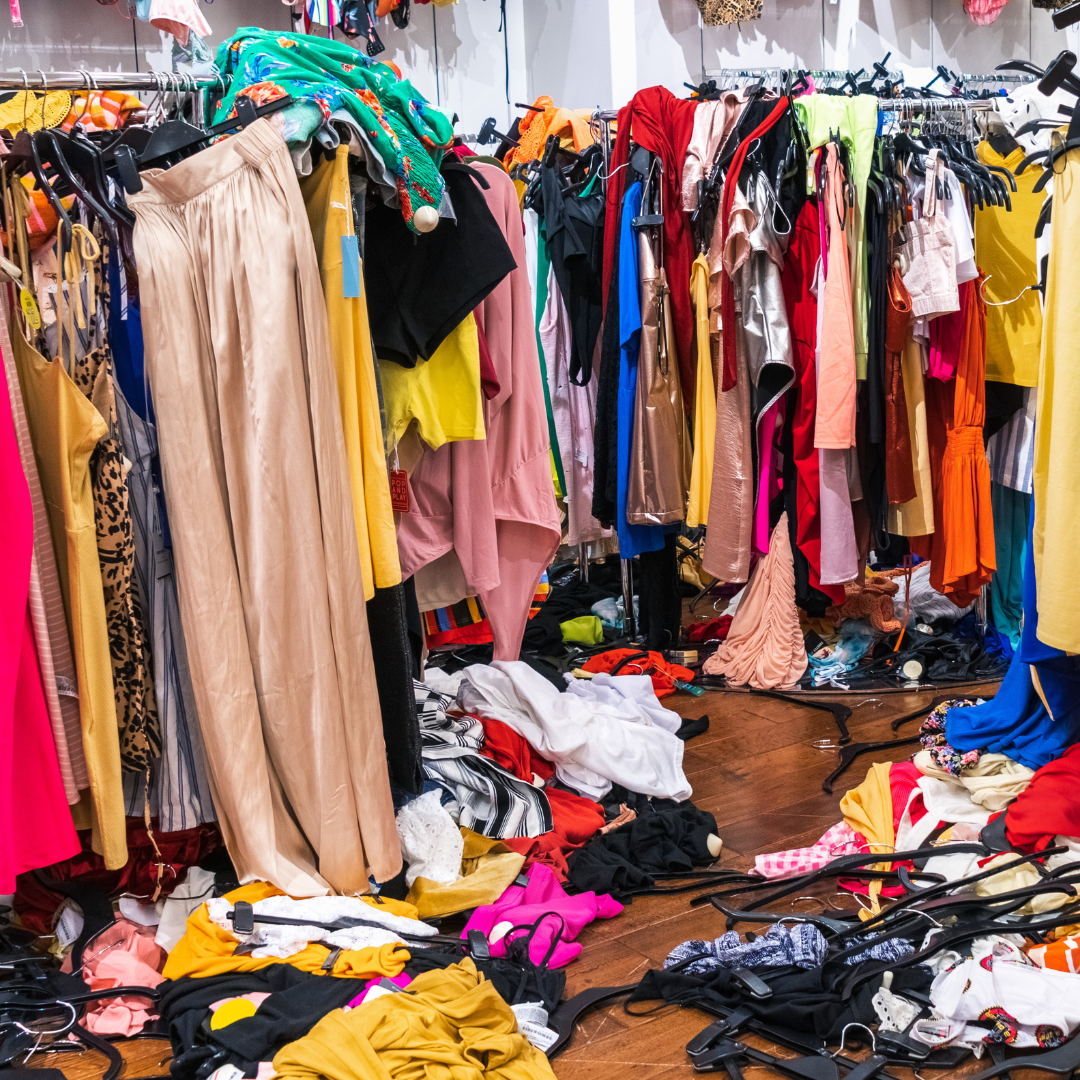
- Textile waste: large volumes of clothing are discarded each year, and a significant share ends up in landfill or incineration. Estimates of the total vary between sources.
- Microplastics: synthetic fabrics such as polyester can shed tiny plastic fibres when washed, and these reach waterways.
- Water and chemicals: dyeing and finishing use large amounts of water and chemicals, and in places with weak regulation this has polluted local rivers.
What would help
- Pay that meets a living wage, rather than sourcing from whoever is cheapest.
- Clearer information about where clothes are made.
- Less overproduction, and less reliance on constant trend cycles.
What you can do as a shopper
- Buy fewer, better pieces that you will wear for years. Check the fibre content and the stitching.
- Look for specific information such as where a garment was made and what it is made from. Be wary of vague claims.
- Look after what you own: wash less often, at lower temperatures, and repair small damage.
- Pass things on: sell, swap or donate clothes you no longer wear.
What we can say about Lavender Hill
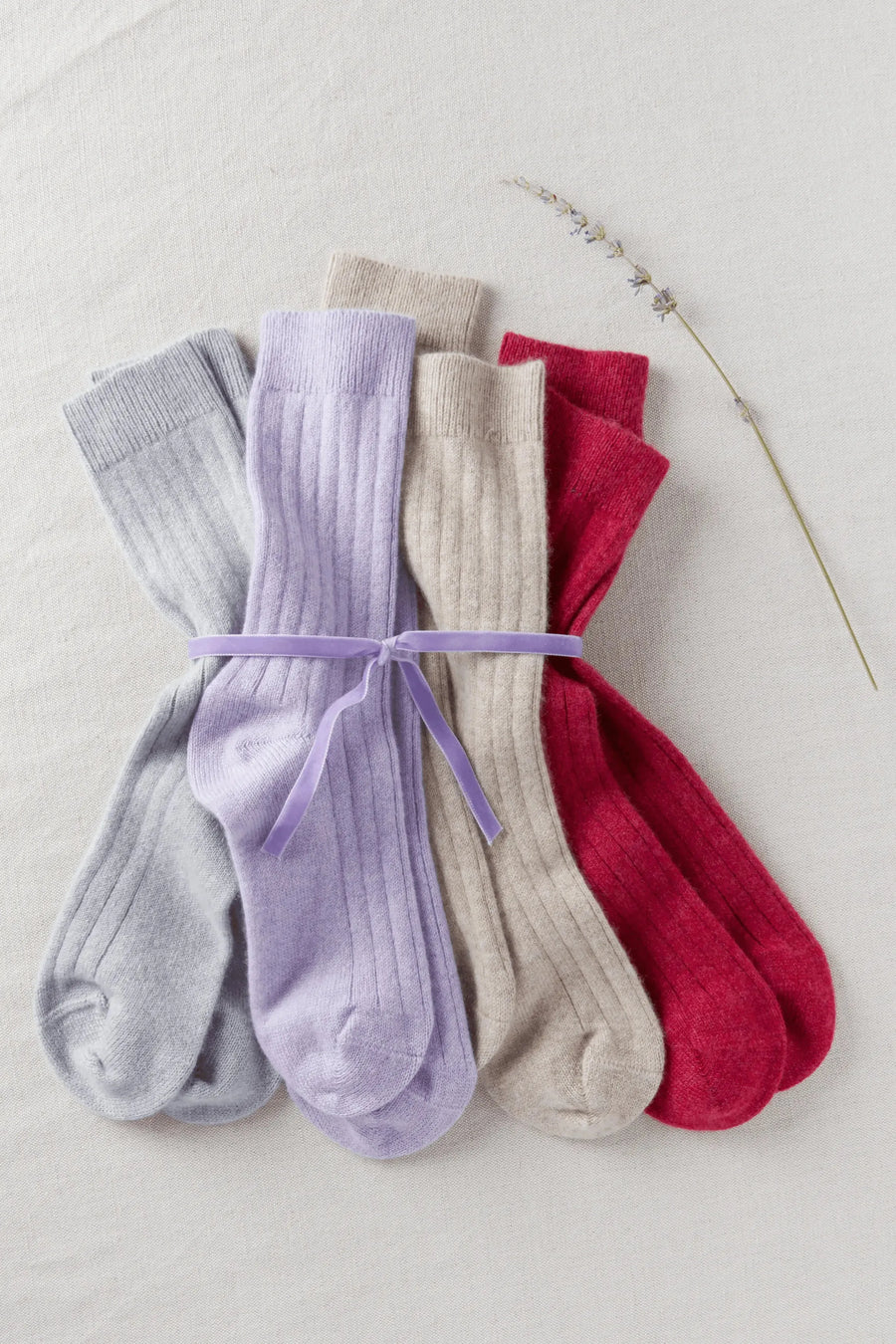
We are an independent British brand, founded in 2013 by Isobel Ridley. Our clothes are designed in Britain. Most of our T-shirts and our nightwear are made in Portugal, our leggings are made in the UK and Portugal, our socks and cashmere are made in the UK, and our alpaca pieces are made in Peru. Our Portuguese T-shirt factory is led by a mother-daughter team and employs over 70 women. We focus on classic designs rather than fast-changing trends, and you can browse the full range to see the fabrics for each piece.
Final thoughts
Cheap clothing has costs that are not shown on the price tag. Asking where and how clothes are made, buying fewer pieces and keeping them longer are practical ways to respond.