


The Fascinating History of Lavender Hill Battersea
The Story of Lavender Hill, Battersea: Then and Now
Have you ever wondered how Lavender Hill in Battersea got its name, or what the film The Lavender Hill Mob has to do with it? This short guide covers the history of the street, what it is like today, other places with the same name and the 1951 film.
History of Lavender Hill, Battersea
Lavender Hill is a road running between Clapham Junction and Battersea in south-west London. Until the 19th century this part of Battersea was largely farmland and market gardens, and the name is generally thought to come from the lavender that was grown locally. Exact records are thin, so treat the details with a little caution. The area changed quickly once the railway reached Clapham Junction in the mid-19th century, and houses, shops and public buildings replaced much of the open land.
Where the name comes from
Lavender was widely grown around London in the 18th and 19th centuries, and its oil and flowers were used in soaps and perfumes. Lavender Hill is usually taken as a reminder of that local growing, although the best-known lavender-growing districts near London were elsewhere, such as Mitcham.
The Victorian and Edwardian shopping street
With the railway came shoppers. The department store Arding & Hobbs opened at Clapham Junction in the 1870s and helped make Lavender Hill a destination for shopping. The building later became a Debenhams store and is still a landmark at the junction.
Lavender Hill today
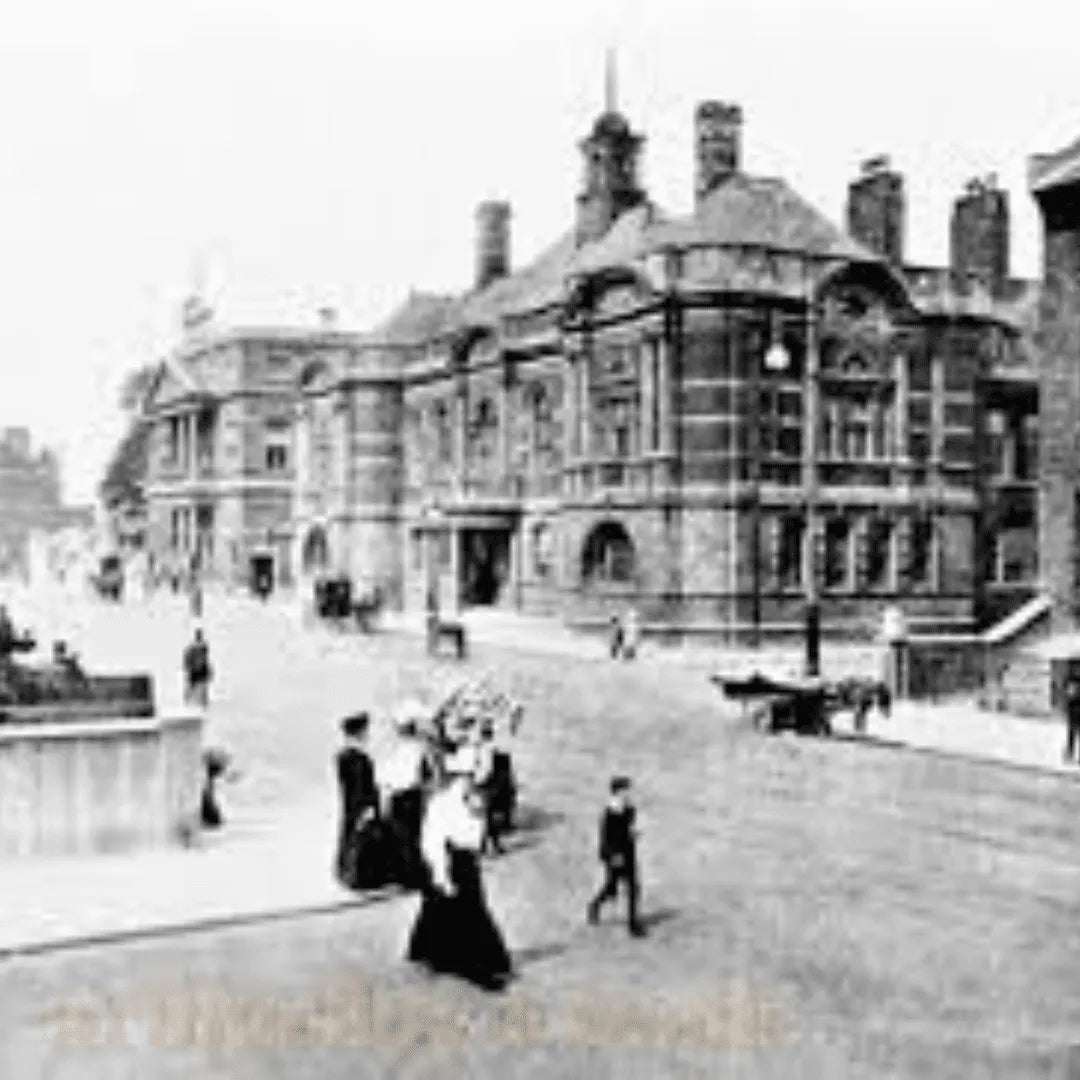
Today Lavender Hill is a busy street of independent shops, cafes, restaurants and pubs. Among its best-known buildings is Battersea Arts Centre, housed in the old Battersea Town Hall. Clapham Junction station is close by and is one of the busiest railway stations in the UK by number of trains, which makes the area easy to reach by rail and bus from central London.
Other places called Lavender Hill
There are other places with the same name, including a neighbourhood in Cape Town, South Africa. Lavender itself has been grown and used for centuries across Europe, and Provence in France is probably the best-known region for it today.
The Lavender Hill Mob
The Lavender Hill Mob is a classic British comedy released in 1951 by Ealing Studios, starring Alec Guinness and Stanley Holloway. It follows a mild-mannered bank clerk who plans a gold bullion robbery. The film is fiction: the "mob" was a made-up gang, not a real group of criminals, and the title simply borrows the name of the London street.
Frequently Asked Questions (FAQs)
Why is it called Lavender Hill?
The name is generally linked to the lavender once grown in the area, when this part of Battersea was farmland and market gardens.
Was the Lavender Hill Mob a real gang?
No. It is the title of a 1951 Ealing comedy, and the story is fictional.
How do I get to Lavender Hill?
Take a train to Clapham Junction, which is a short walk from the street, or use the local buses.
Where can I learn more?
Wandsworth Council's heritage pages and the local history collections at Battersea Library are good places to start.