Hot Weather Dressing: How To Stay Cool
When temperatures climb, the clothes you choose make a real difference to how comfortable you are. This guide covers how fabric, fit and colour affect heat, which fibres work well in summer, and how to dress for different situations.
How clothing affects the way you cool down
The body cools itself mainly by sweating, and sweat only helps if it can evaporate. Clothing can help or hinder this in three ways:
- Fabric: breathable fabrics let air move through and moisture escape.
- Fit: loose, flowing shapes allow airflow. Close-fitting clothes can trap heat and sweat.
- Colour: light colours reflect more sunlight than dark ones, which absorb it.
In very hot weather, drink plenty of water, rest in the shade and take heat warnings seriously. Clothes help, but they are not a substitute.
Light or dark colours?
| Light colours | Dark colours |
| Reflect more sunlight | Absorb more sunlight |
| Feel cooler in direct sun | Feel warmer in direct sun |
| Work well for hot, sunny days | Work well for cooler weather and evenings |
White, cream, pastels and pale blues are the usual summer choices. If you prefer dark colours, choose lighter fabrics and looser shapes.
Fabrics for hot weather
Cotton
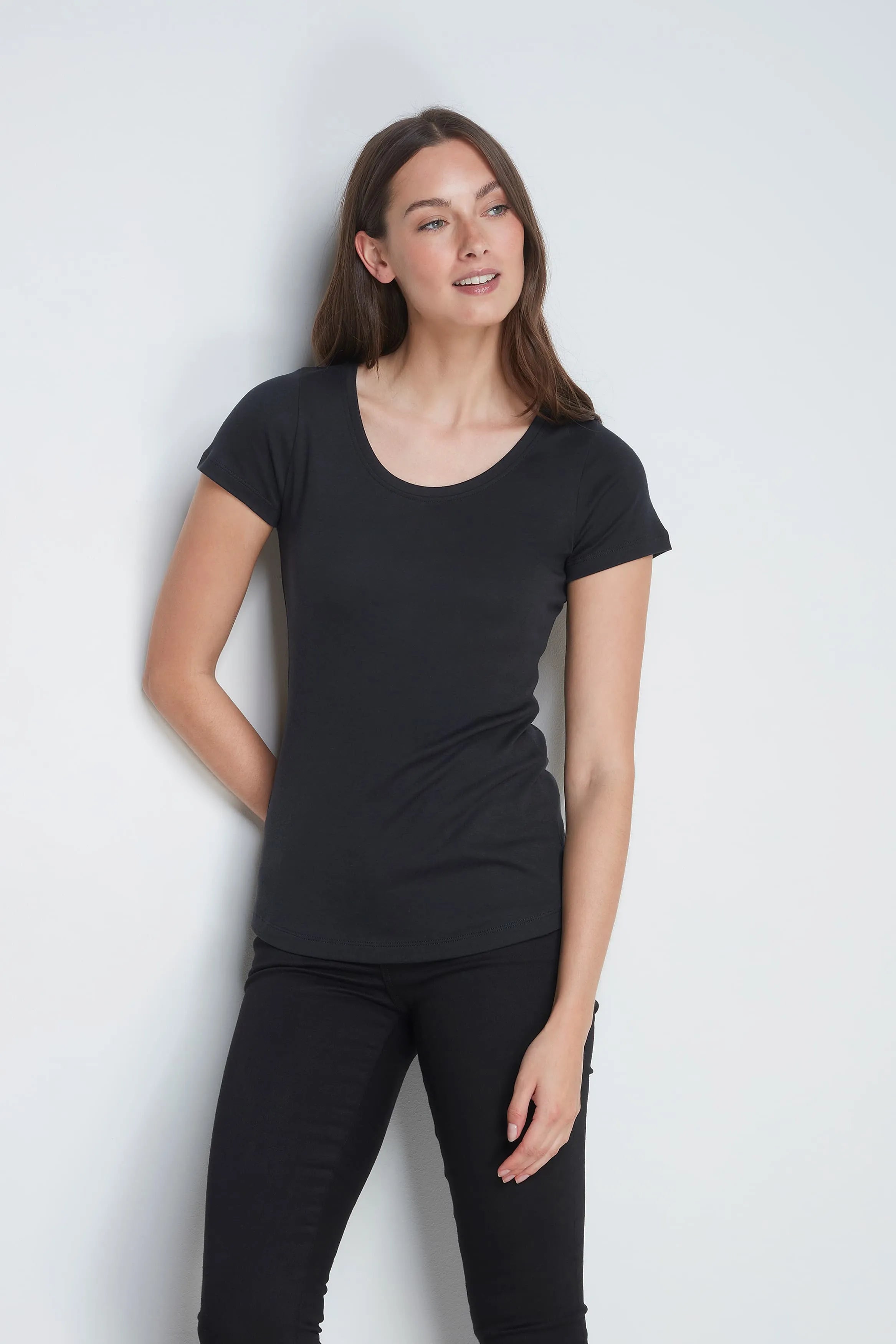
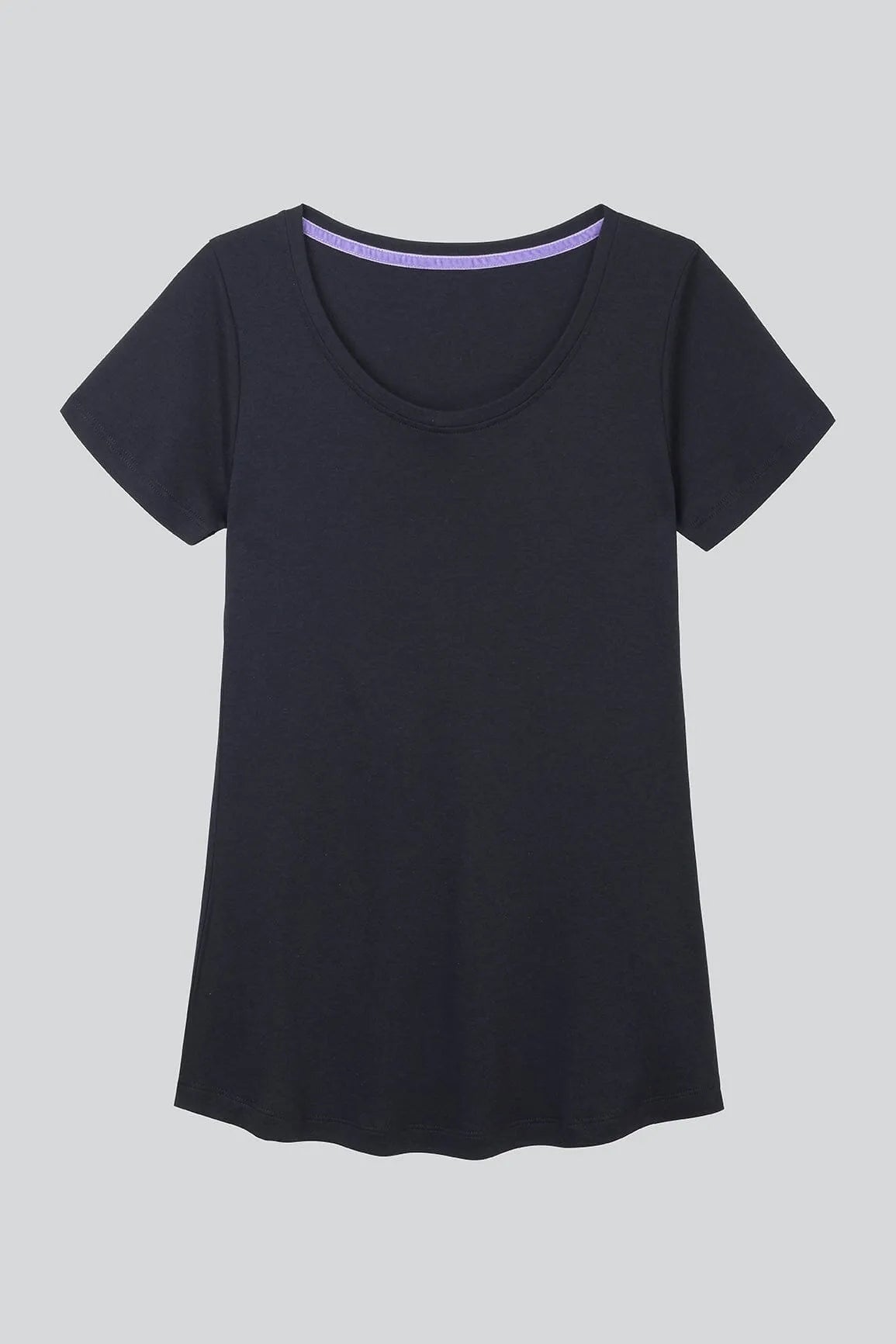
Cotton is breathable, absorbent and soft, and it suits everything from T-shirts to shirts and trousers. It dries more slowly than some fabrics, so choose a lightweight knit or weave. Our cotton T-shirts include Supima cotton in selected pieces.
Linen
Linen is made from flax. It has an open, textured weave that lets air through, and it feels cool against the skin. It creases, which is part of its relaxed look. See the benefits of natural fabrics in hot weather for more.
TENCEL™ Lyocell
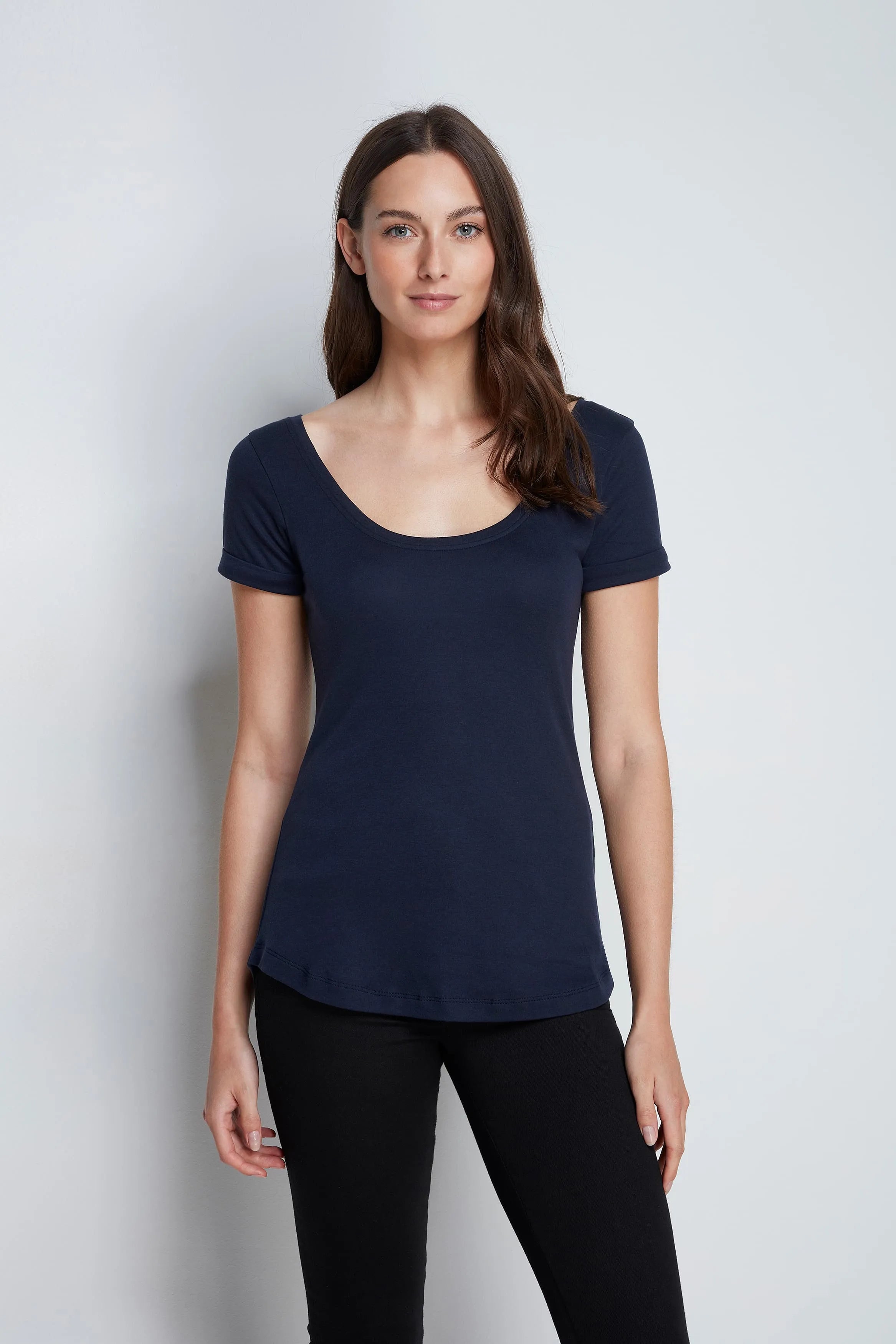
Lyocell is made from wood pulp, and TENCEL™ is the brand name we use. It is smooth with a soft drape, and it is often chosen for warm-weather tops and dresses because it feels cool and breathes well.
Synthetics
Polyester and similar fabrics are often marketed as moisture-wicking. They suit sport, but many people find them warmer and less comfortable for everyday summer wear. Check the fabric label before you buy.
Dressing for different situations
Casual days
- Lightweight cotton or linen in loose, flowing shapes.
- Light colours and prints.
- Sunglasses, a hat and sunscreen.
Work
- Cotton or linen blends in tailored, well-fitted shapes that still allow movement.
- Lighter neutrals suit most workplaces.
- Carry a lightweight blazer or cardigan for air-conditioned offices.
Hot and active days
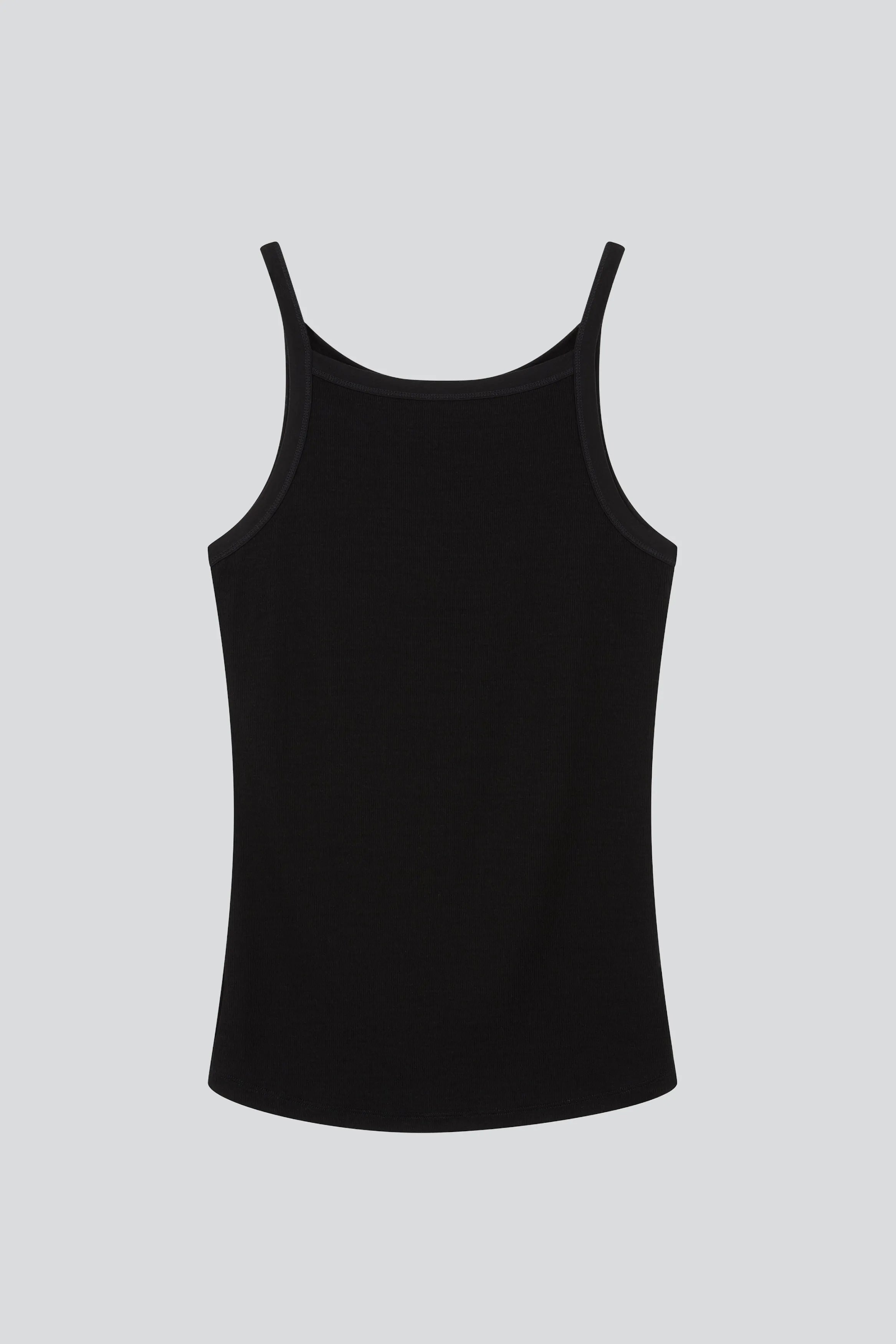
For walking and sightseeing, choose a breathable tee and shorts or loose trousers. Our sleeveless tops work well under a light shirt you can take off.
Accessories and footwear
- Hats: a wide brim shades your face and neck.
- Sunglasses: choose a pair that carries a UV protection rating.
- Sunscreen: clothes are not a replacement for it on exposed skin.
- Shoes: sandals, canvas or other breathable styles. Add cushioning and support if you will be walking a lot.
Frequently asked questions
How should I wash hot-weather clothes?
Follow the care label. Wash cotton and linen at a low temperature, avoid bleach, and dry in the shade, since strong sun can fade colours. Wash sweaty clothes soon after wearing them rather than leaving them in a basket.
What is the best fabric for very hot weather?
Many people find linen the coolest, followed by lightweight cotton and lyocell. Fit matters as much as fibre, so go for loose shapes.
Does white really keep you cooler?
White and light colours reflect more sunlight than dark colours, so they generally feel cooler in direct sun.