
What is Vegan Clothing? A Guide for Women
Vegan clothing is a growing search topic. Here is what the term means, which materials to look out for, and how to read a product label if you want to avoid animal-derived materials.
What is vegan clothing?
Vegan clothing is made without any animal-derived materials. That includes obvious ones such as leather, wool and silk, and less obvious ones such as certain dyes, glues and trims. There is no single legal standard for the word "vegan" on clothing, so it is worth reading the fibre content and asking questions.
Common animal-derived materials
- Wool, including merino, cashmere, alpaca and mohair.
- Leather and suede.
- Silk.
- Down (goose or duck feathers).
- Horn, bone or shell buttons and trims.
- Some dyes (for example carmine, made from insects) and some glues.
Common non-animal alternatives

- Plant fibres: cotton, linen, hemp.
- Man-made cellulose fibres: modal, lyocell and viscose, made from wood pulp.
- Synthetics: polyester, nylon and many faux leathers (often polyurethane or PVC-based).
"Vegan" only tells you a product has no animal-derived materials. It does not tell you anything else about how it was made, so it is not a guide to anything beyond that.
Our range and vegan clothing

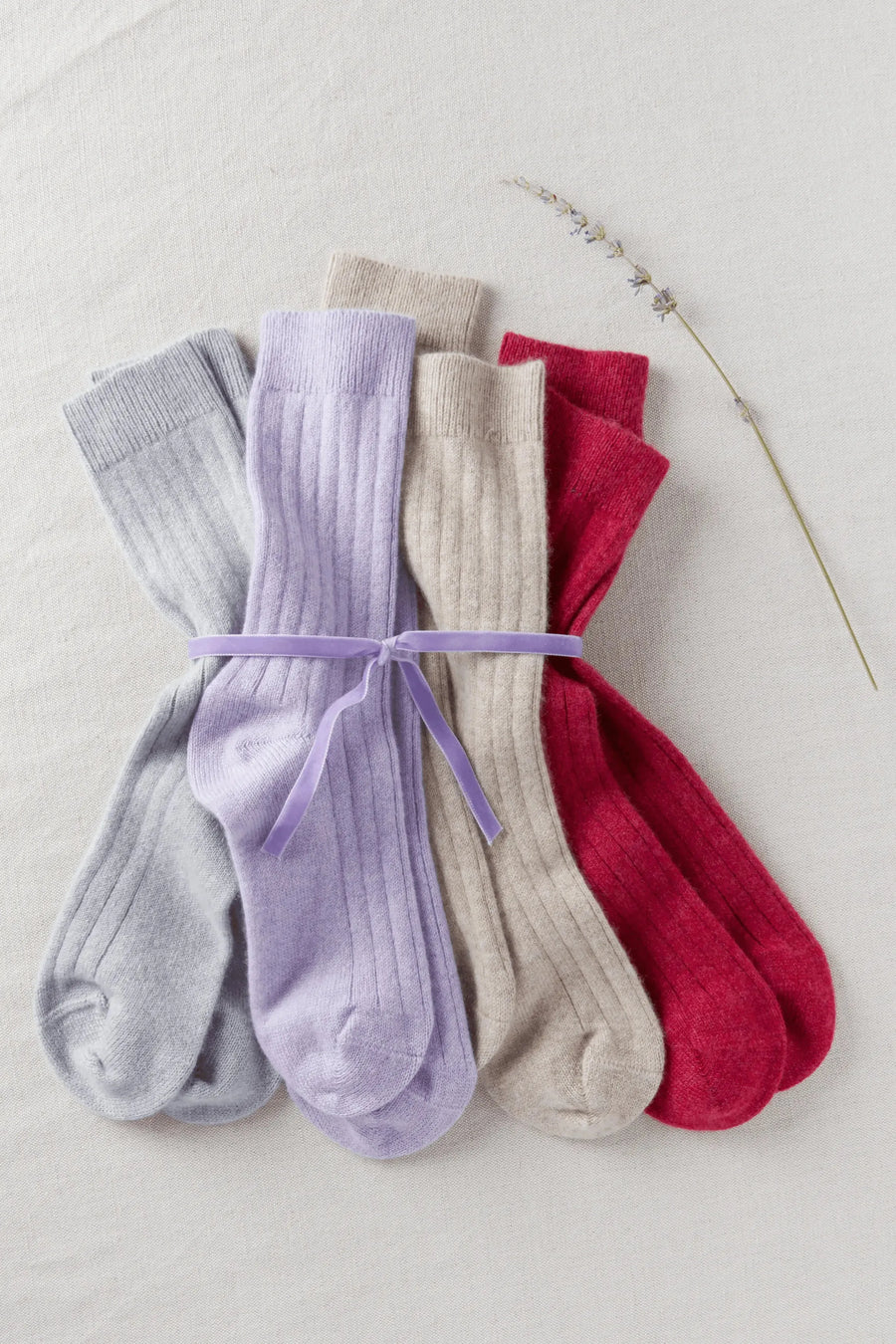
Many of our pieces are made from cotton, linen, TENCEL™ Modal and TENCEL™ Lyocell. However, we also use merino, cashmere, alpaca and, in a few pieces, silk, so we do not describe our range as vegan. If you want to avoid animal-derived materials, check the fabric listed on each product page. You can browse our full range here.
Tips for building a vegan wardrobe
- Read the fibre label: look for plant-based or man-made cellulose fibres, and check for wool, silk and leather blends.
- Ask the brand: if the label does not tell you, email and ask about materials, dyes and trims.
- Check buttons and trims: horn and shell are easy to miss.
- Buy less, choose well: well-made basics that you wear for years are a sensible approach whatever your priorities.
Final thoughts
If you want to avoid animal-derived materials, the fibre content on the label is where to start, and a brand that answers questions clearly is a good sign.