Unlocking the Secrets of Natural Insect Repellents
Natural insect repellents: what people use and what to know
If insects spoil your time outdoors, you will find plenty of advice online about plant-based and homemade repellents. This article looks at what people traditionally use, how to handle these ingredients safely, and which practical measures are worth trying first. It does not claim that any homemade mixture will protect you.
Start with practical measures
Cover up with long sleeves and trousers at dusk, when many biting insects are most active.
Use fine screens or nets on windows and beds, and a fan on a terrace or in a bedroom.
Remove standing water from pots, buckets and gutters, where mosquitoes breed.
Keep bins covered and food sealed or cleared away when eating outside.
What people traditionally use
Essential oils
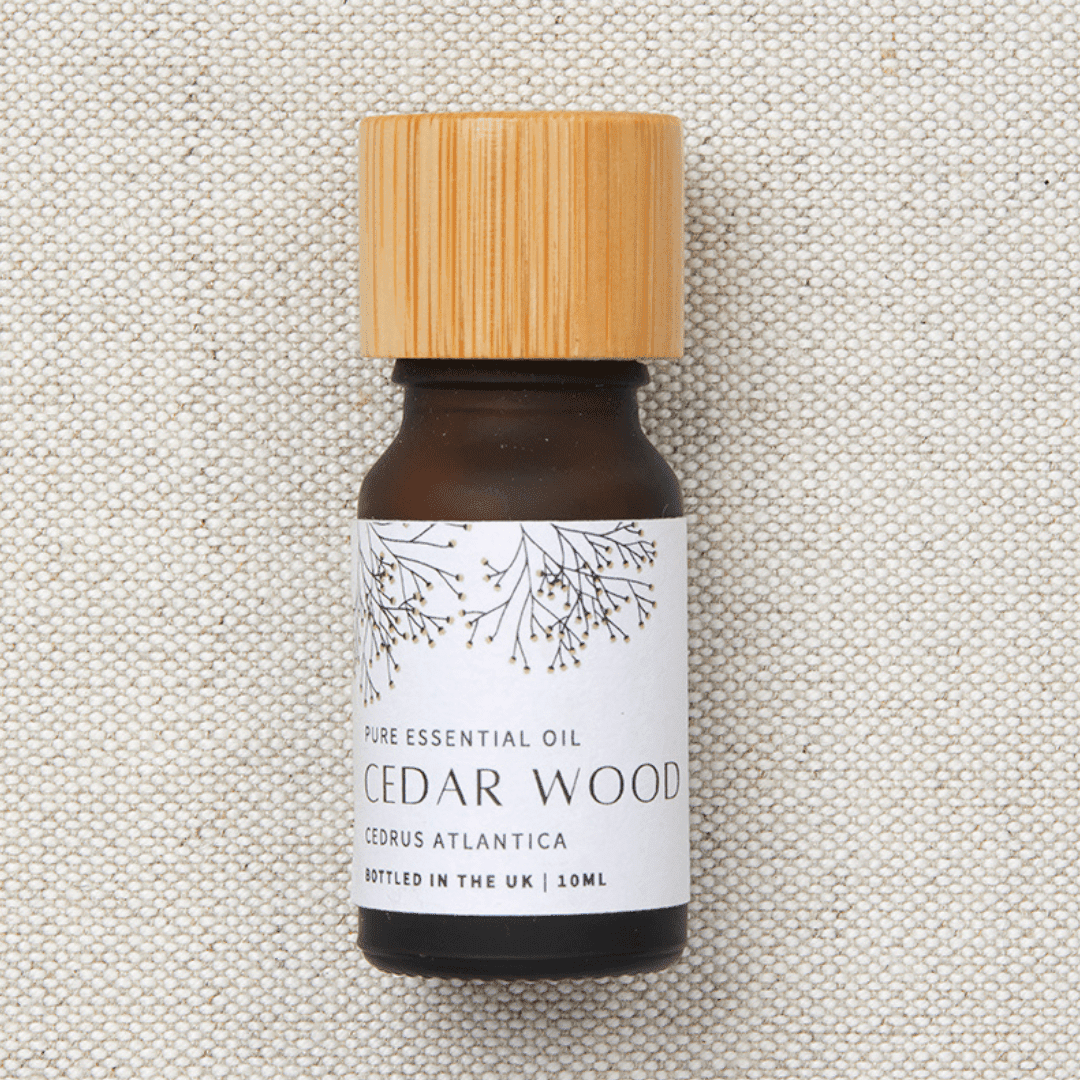
Citronella, lemongrass, eucalyptus, peppermint, tea tree and lavender are the oils most often mentioned. People use them in sprays, rubs, candles and diffusers, mostly for their scent. Evidence on how well they work, and for how long, is mixed, and homemade blends are not tested the way commercial products are.
Carrier ingredients
Homemade recipes usually mix essential oil with a carrier such as coconut, jojoba or almond oil, or with witch hazel, vodka or water in a spray bottle. Oils and water separate, so these mixtures need shaking and do not keep for long.
Herbs and kitchen ingredients
Some people grow or use basil, rosemary, lavender, mint and thyme near seating areas, or simmer herbs and spices into a spray. Apple cider vinegar, garlic and spices are also often suggested. These are folk remedies, and there is little reliable evidence behind them.
Using homemade mixtures safely
Always dilute essential oils. Undiluted oil can irritate skin.
Patch test on a small area of skin and wait a day before wider use. Some people react to plant oils.
Avoid eyes, mouth and broken skin, and take care around children, pregnant women and pets. Check with a doctor or pharmacist if you are unsure.
Do not apply homemade sprays to fabrics you cannot wash or that may stain, and test on a hidden area first.
Keep vodka, rubbing alcohol and essential oils out of reach of children, and away from flames.
If you are travelling
In regions where insects carry disease, follow official travel health advice, such as that from the NHS Fit for Travel service or your travel clinic. UK guidance generally recommends tested repellents with an established active ingredient such as DEET for those areas, along with nets and covering up. Plant-based products have not been shown to give the same level of protection.
Insects and your wardrobe
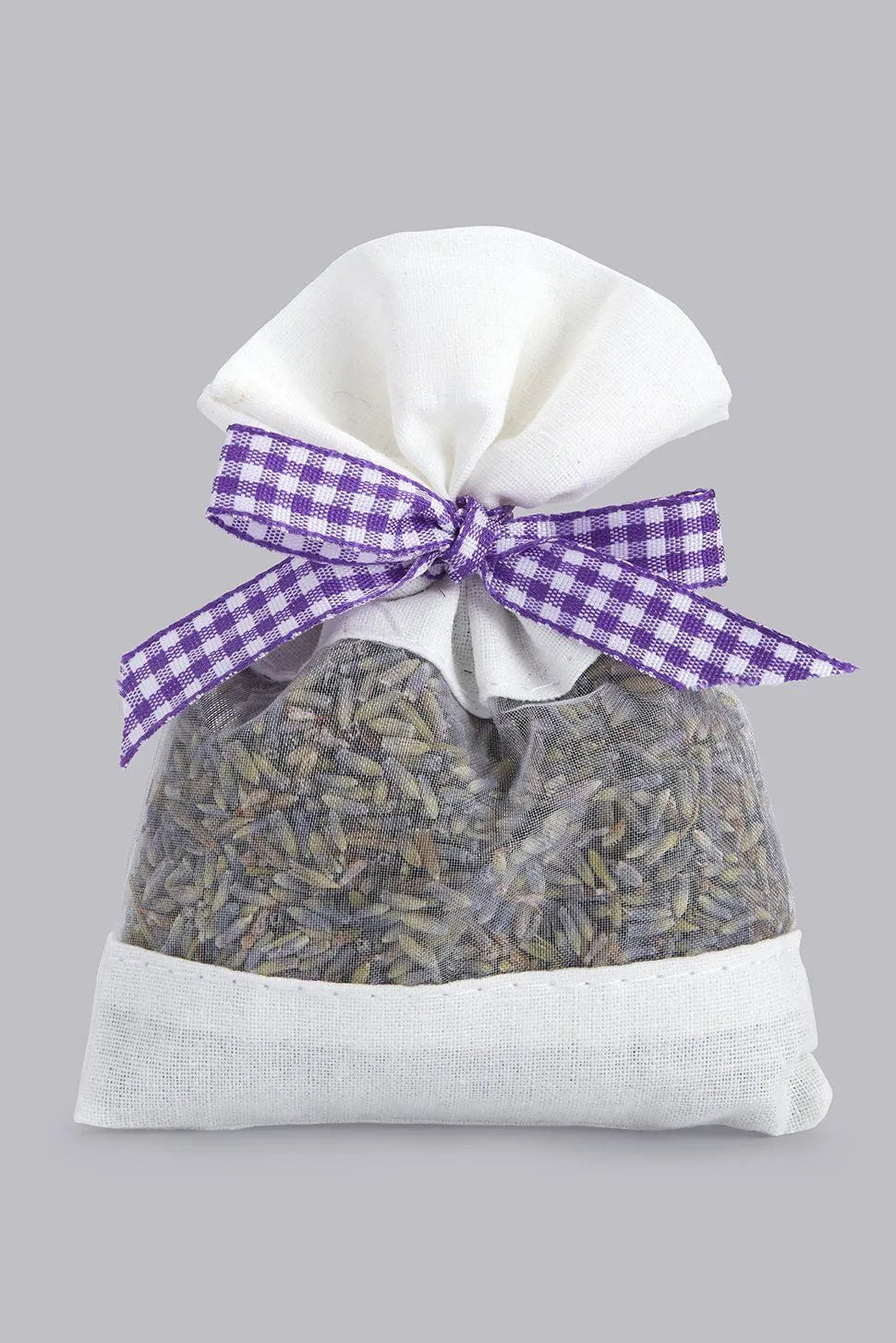
Moths are a separate problem. Lavender and cedar are traditionally used in drawers and wardrobes, but they are not a substitute for cleaning. Wash or dry-clean knitwear before storing it, vacuum wardrobe corners and shelves, and keep stored clothes in sealed bags or containers. Wool, cashmere and alpaca are the fibres moths are most likely to damage. See our fabrics and production page for more on the fibres we use.
In summary
Practical measures are the first thing to try. Plant-based mixtures are a traditional and pleasant-smelling extra, but should not be relied on for protection from disease-carrying insects.