


How to Choose Clothing Brands: Reading Claims, Labels and Certifications
How to choose clothing brands you can trust
Key Points
- Terms like "sustainable", "eco-friendly" and "green" have no fixed meaning. Look for specific facts instead.
- Certifications are only meaningful when they name the standard, the product and the certificate holder.
- The best signs of a trustworthy brand are plain information about where clothes are made and what they are made from.
Introduction
Many shoppers want to buy from brands they can trust, but environmental and ethical claims in fashion are often vague. This guide explains how to read those claims, what common labels mean, and what a brand should be able to tell you.
How to Judge a Brand
Ask four simple questions:
- Where are the clothes made? A brand should be able to name the country, and ideally the factory.
- What are they made from? Fibre content should be listed in full.
- What is the claim based on? A specific claim ("made in Portugal", "100% cotton") can be checked. A vague one ("eco-friendly") cannot.
- Is there independent proof? If a brand cites a certification, you should be able to find it.
Understanding Certifications and Labels
Some of the labels you may see:
- OEKO-TEX® Standard 100: tests textiles for a list of harmful substances. It covers the tested product, not how or where it was made.
- GOTS (Global Organic Textile Standard): covers organic fibre content and processing criteria.
- Fairtrade: relates to the conditions and prices paid to producers, for specific certified materials.
- EU Ecolabel: awarded to products that meet set environmental criteria across their life cycle.
A genuine claim names the standard, what it covers, and who holds the certificate.
Transparency
Brands that publish where their clothes are made, from which fibres and by whom, are easier to trust than those that rely on general statements.
Materials
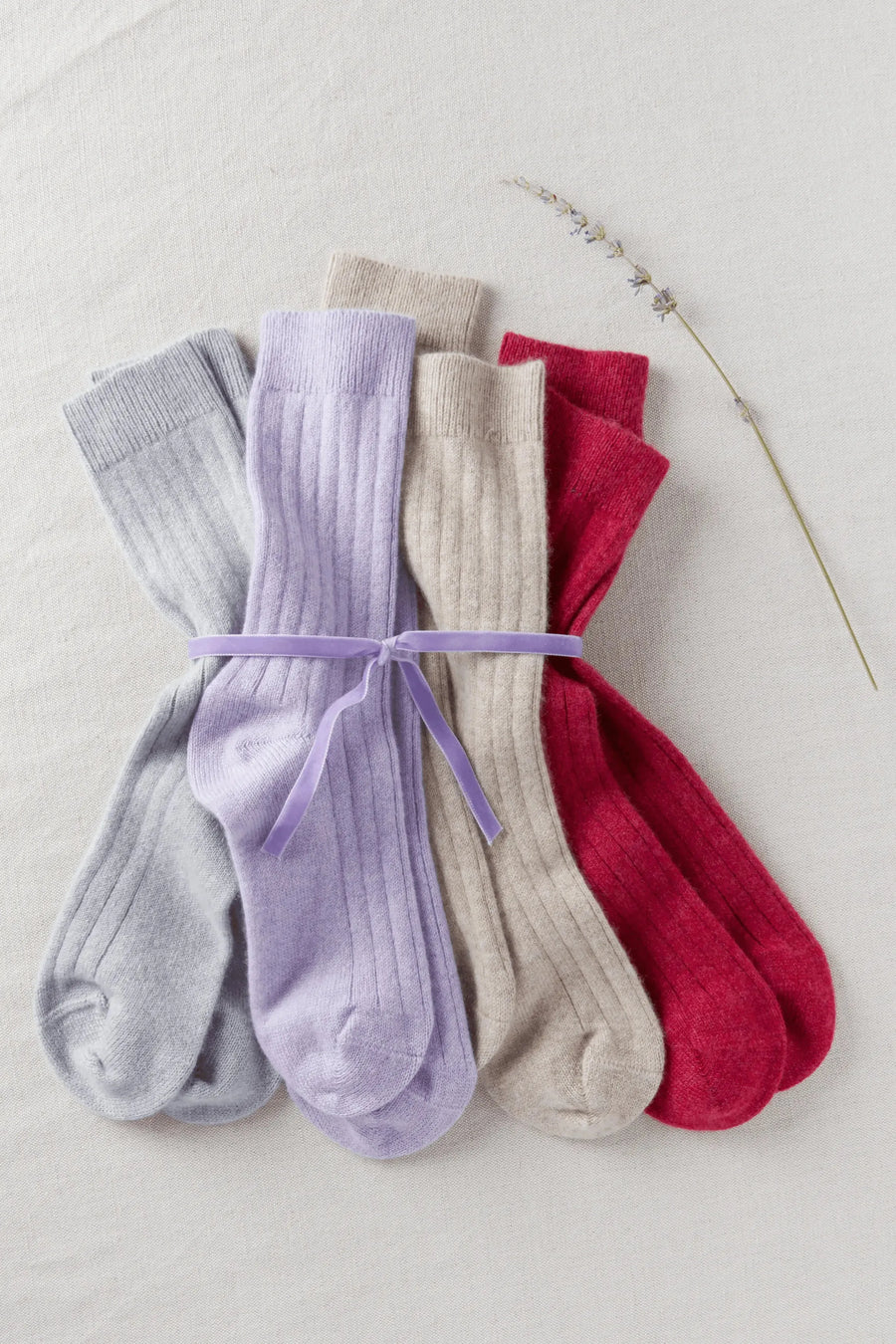
Every fibre has trade-offs, and none is perfect. Natural fibres such as cotton, linen, wool and cashmere, and wood-based fibres such as TENCEL™ Modal and Lyocell, each behave differently in the wash and in wear. What matters most is choosing fibres you will wear for years.
Spotting Greenwashing
Be cautious when you see:
- vague words with no explanation, such as "green", "conscious" or "eco"
- claims about the whole brand based on one small product line
- logos or labels that do not name a recognised standard
- claims such as "carbon neutral" with no explanation of how
The law is tightening: the EU and UK both restrict generic environmental claims that a business cannot back up.
What You Can Do
- Buy fewer, better pieces.
- Look after your clothes and repair them.
- Pass on what you no longer wear.
Conclusion
You do not need a perfect brand. You need one that is open about what it does. At Lavender Hill we aim to give you plain facts: our clothes are made in the UK and Portugal, and each product page lists the fibres. See our fabrics and production page.
Frequently Asked Questions
How can I check a brand's claims?
Look for specifics (where, what, who) and ask the brand directly. Certificates can often be checked on the certifier's website.
Do better-made clothes cost more?
Often, but not always. Cost per wear is usually lower for pieces that last.
Which materials should I look for?
Choose fibres that suit how you will use the garment, and check the care label so you can look after it properly.
How do I make my clothes last?
Follow the care label, wash at lower temperatures, avoid over-washing, dry flat or hang, and repair small faults early.