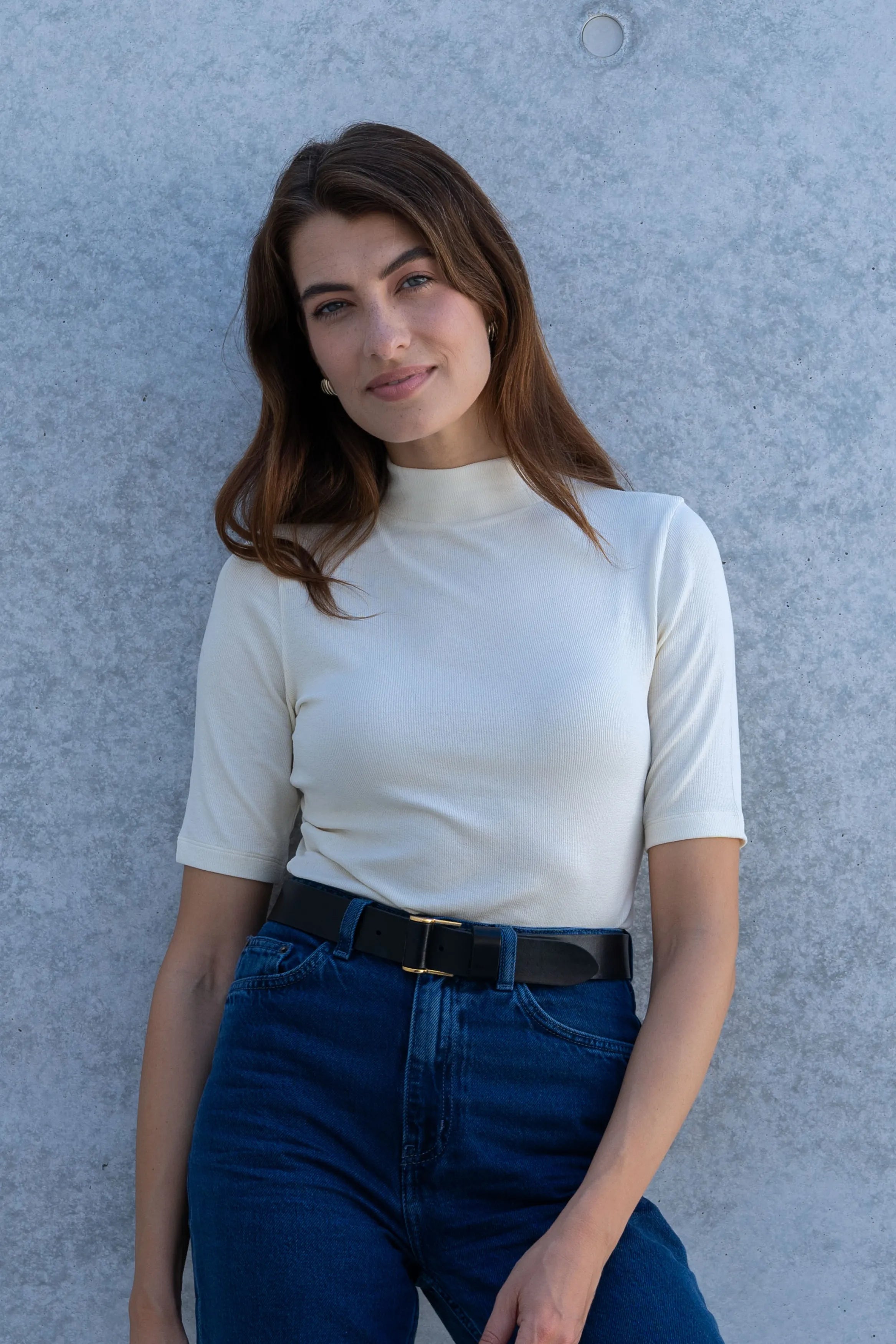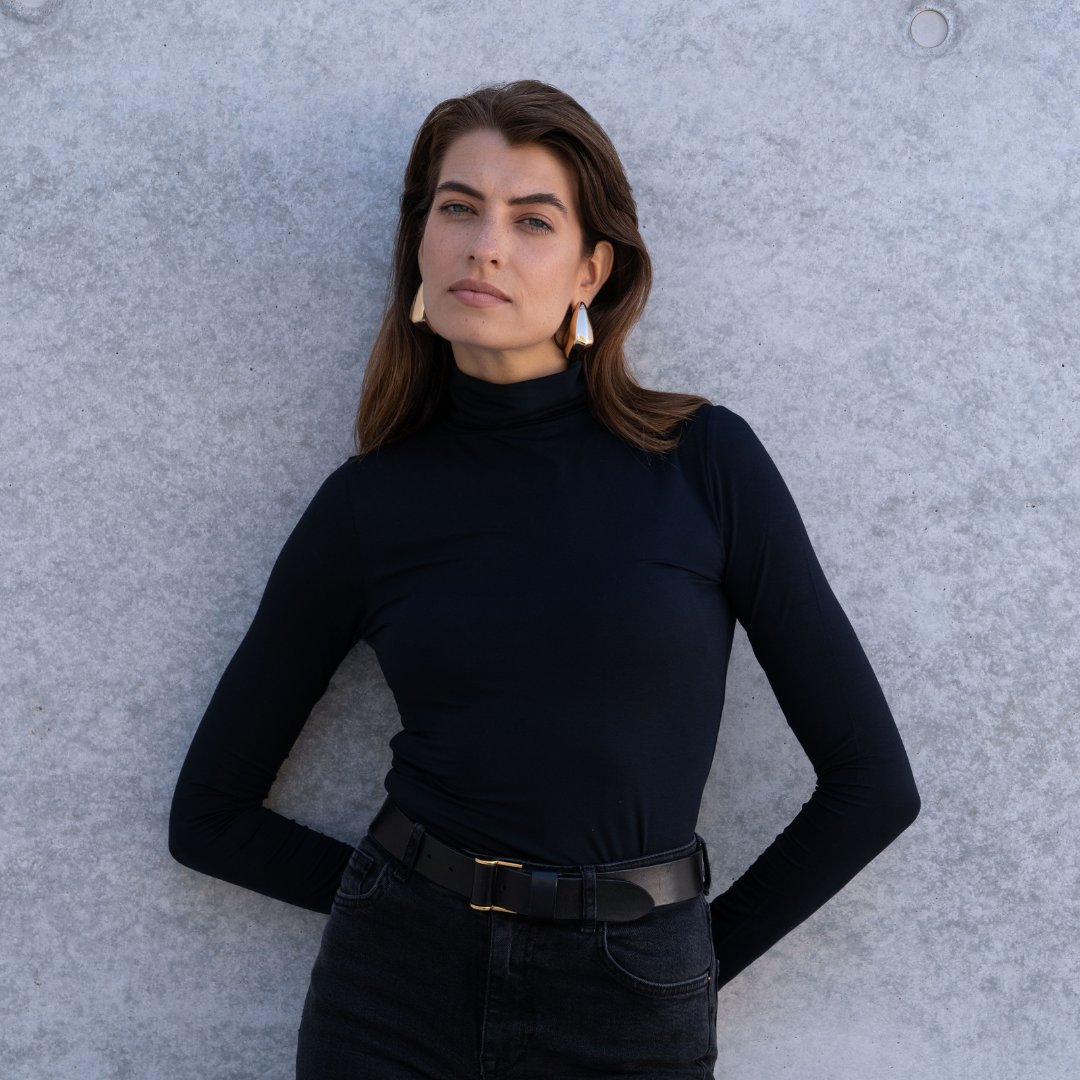
Breathable Layering Clothing: How to Stay Comfortable in Every Season
Layering is one of the simplest ways to stay comfortable when the temperature changes during the day, whether you are commuting, travelling or dressing for unpredictable weather. Choosing breathable layering clothing helps outfits stay comfortable without feeling bulky.
Good layering is not about adding more clothes. It is about choosing the right fabrics and lightweight pieces so you can add or remove a layer as you need to.
In this guide:
- why breathable clothing matters
- breathable fabrics for layering
- the most versatile layering pieces
- how to build a simple layering system for every season.
Why breathable clothing matters
Breathable fabrics let air circulate, which helps heat and moisture escape from next to your skin. When clothing traps heat or sweat, it can quickly become uncomfortable.
Temperature
Lighter, airier fabrics are less likely to leave you too hot indoors, while a good layering system lets you add warmth outside.
Moisture
Fabrics that allow sweat to evaporate tend to feel more comfortable through the day.
Softness
Soft, smooth fabrics are more comfortable to wear against the skin for long periods.
Layering without bulk
Thin, breathable pieces stack well under knitwear and jackets without adding bulk.
This is why many wardrobes rely on lightweight layers rather than heavy clothing.
Breathable fabrics for layering
Fabric choice makes a real difference. Natural fibres and plant-based fibres such as modal and lyocell tend to allow air through more freely than many synthetic fabrics.
Modal
Modal is a fibre made from beech wood pulp. It is widely used in basics because it is soft, lightweight and smooth. Our modal pieces use TENCEL™ Modal. It suits layering because it is:
- soft against the skin
- lightweight and breathable
- smooth under other garments.
Modal is popular for t-shirts, long sleeve tops and everyday base layers.
TENCEL™ Lyocell
Lyocell is a fibre made from wood pulp, with a silky, smooth texture and a cool feel. Our lyocell pieces use TENCEL™ Lyocell. It is often chosen for:
- lightweight, breathable layers
- a smooth, silky texture
- a soft drape.
See our lyocell t-shirts and TENCEL™ essentials.
Linen
Linen is one of the oldest fibres used in clothing and is known for letting air flow freely. It is popular in warm weather and for relaxed summer pieces. It is lightweight, absorbs moisture and has a natural texture, but it creases easily. See our linen tops.
Merino wool
Merino fibres are much finer than traditional wool, which makes merino soft against the skin. It is warm without being bulky, which is why it is common in winter base layers and lightweight knitwear.
Best layering pieces
A few versatile pieces can be worn in many combinations.
T-shirts
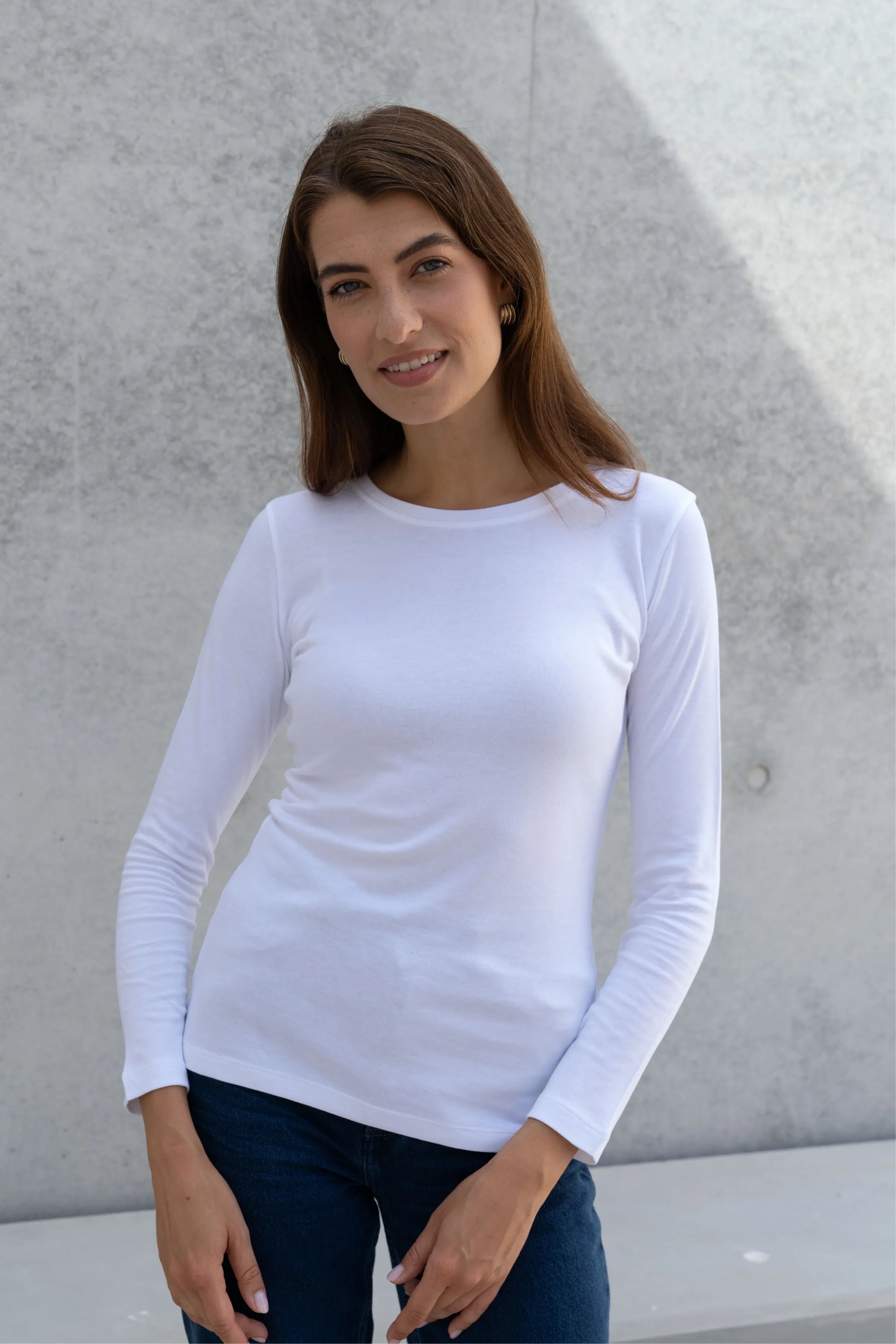
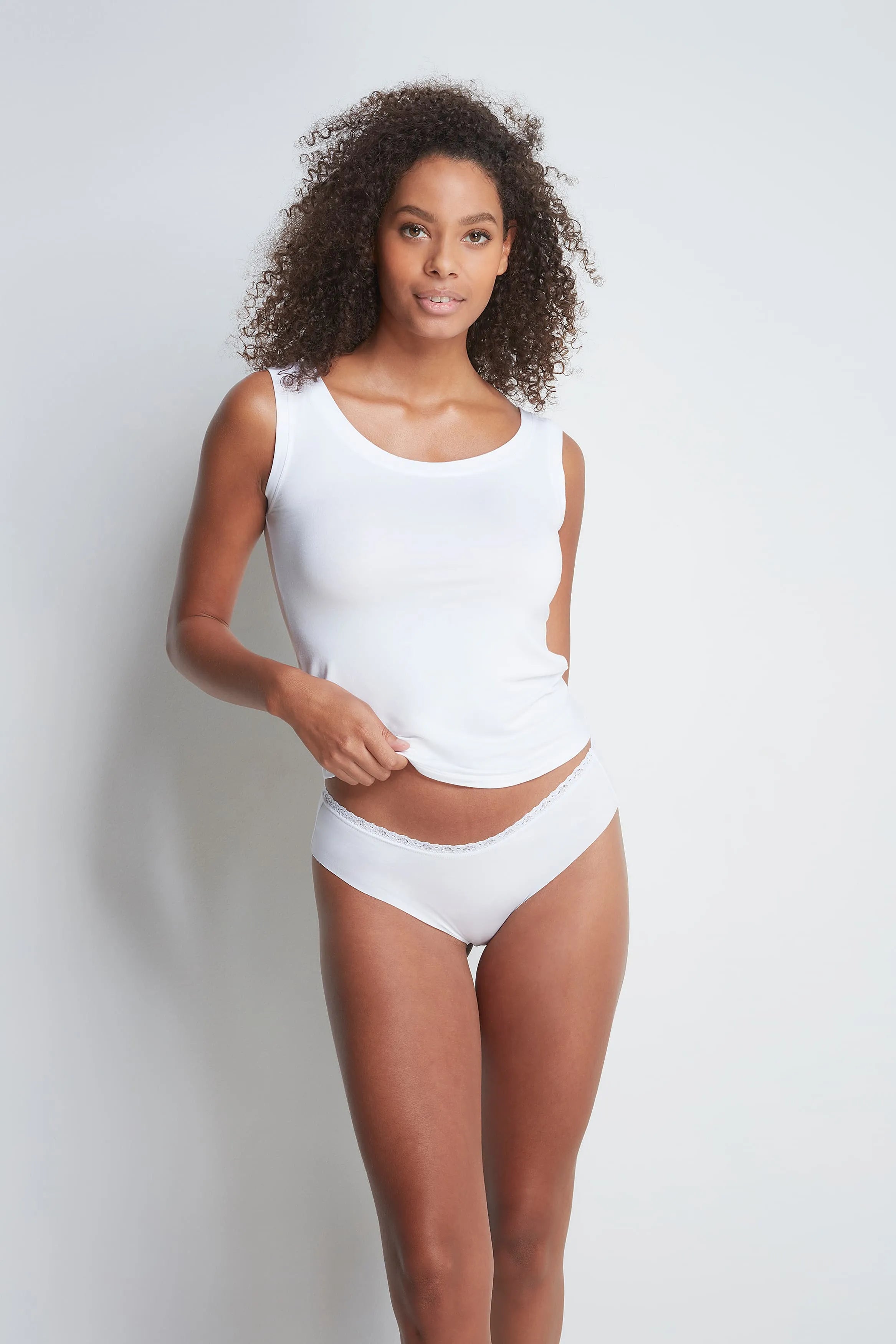
A lightweight t-shirt is the most versatile layering piece. Modal or cotton t-shirts work for everyday outfits, under blazers or knitwear, and through the year. A well-fitted t-shirt makes a reliable base layer.
Long sleeve tops
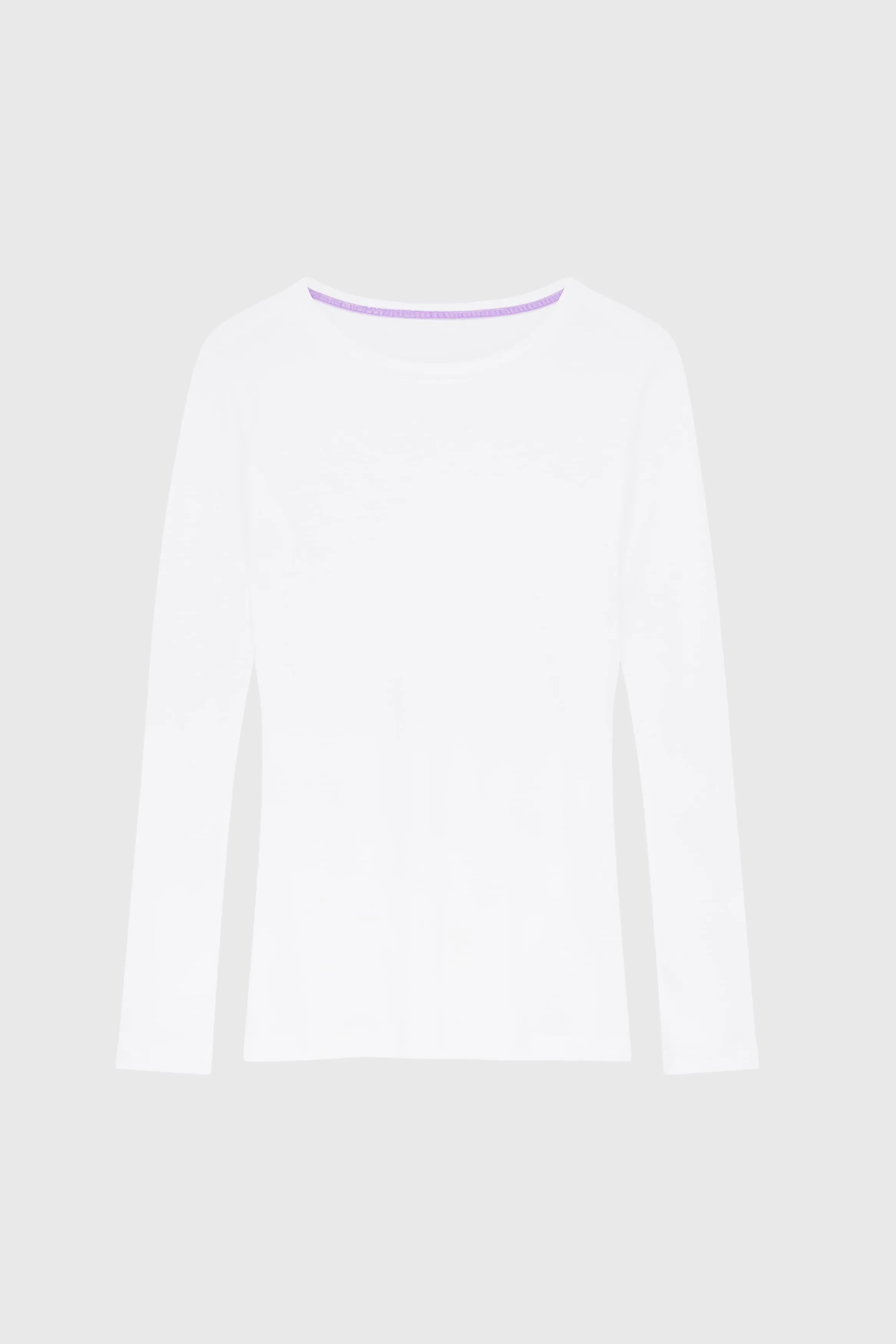
Long sleeve tops add a little more warmth while staying light enough to layer. They are useful for autumn and winter outfits, office layering and wearing under jackets or coats.
Base layers
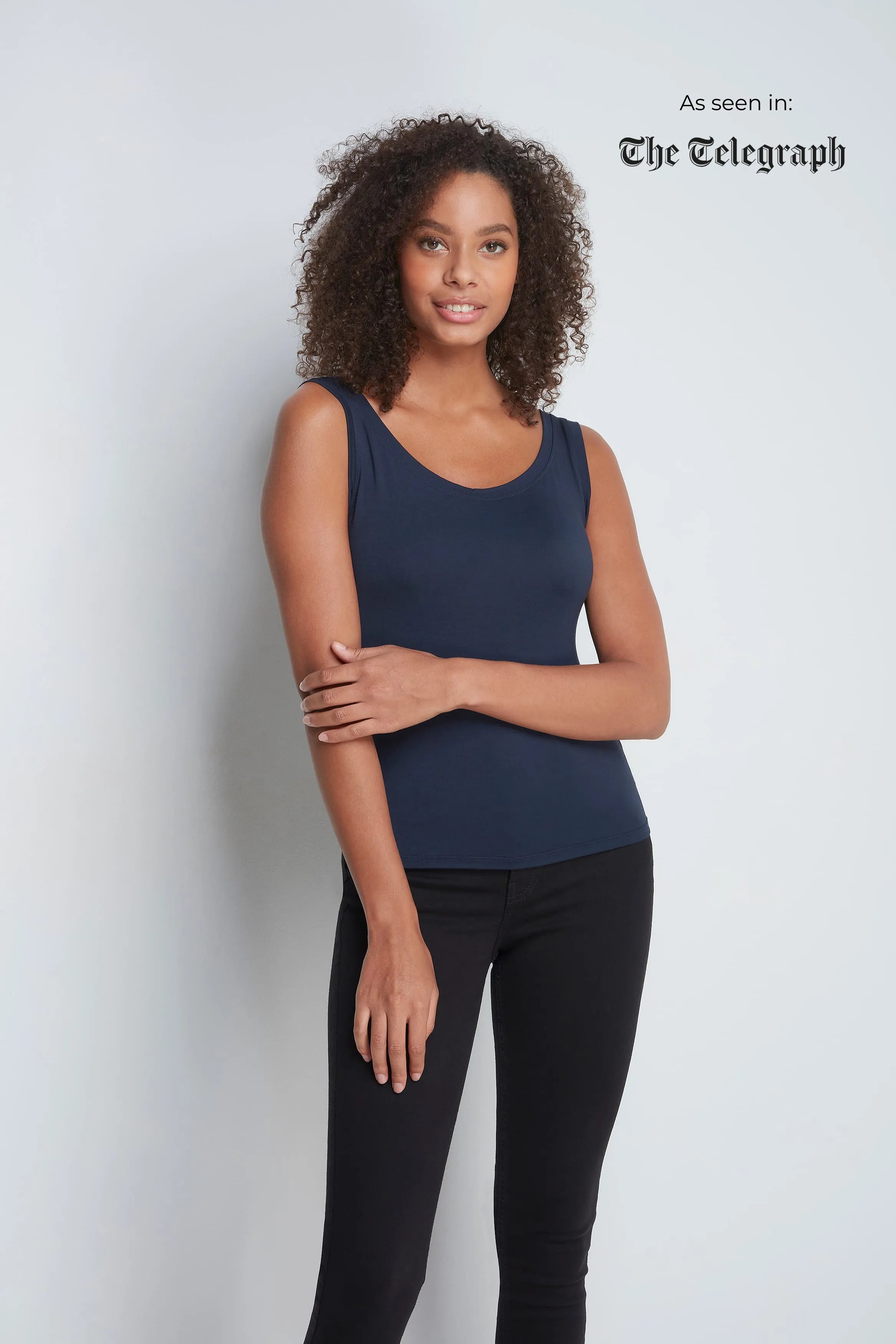
Base layers sit closest to the skin. The best are lightweight, soft and close-fitting without being restrictive.
A simple three-layer system
Base layer
Sits against the skin. Good fabrics include modal, merino and cotton blends. It should fit close to the body without feeling tight.
Mid layer
Adds warmth. Lightweight knitwear, cardigans and jumpers all work. Choose breathable fabrics so the mid layer does not feel too hot indoors.
Outer layer
Protects against wind, rain and cold: coats, jackets and trench coats. Breathable inner layers mean the outer layer feels more comfortable when you are inside.
Building a layering wardrobe
A small capsule wardrobe can make many outfits. A simple layering set might be:
- two lightweight t-shirts
- one long sleeve base layer
- one lightweight knit
- one versatile jacket.
Neutral colours make it easy to mix and match.
Final thoughts
Lightweight pieces in breathable fabrics such as modal, lyocell, linen and merino make it easier to put together outfits that adapt to changing temperatures. For work, travel or everyday wear, a few well-chosen layers are usually enough.