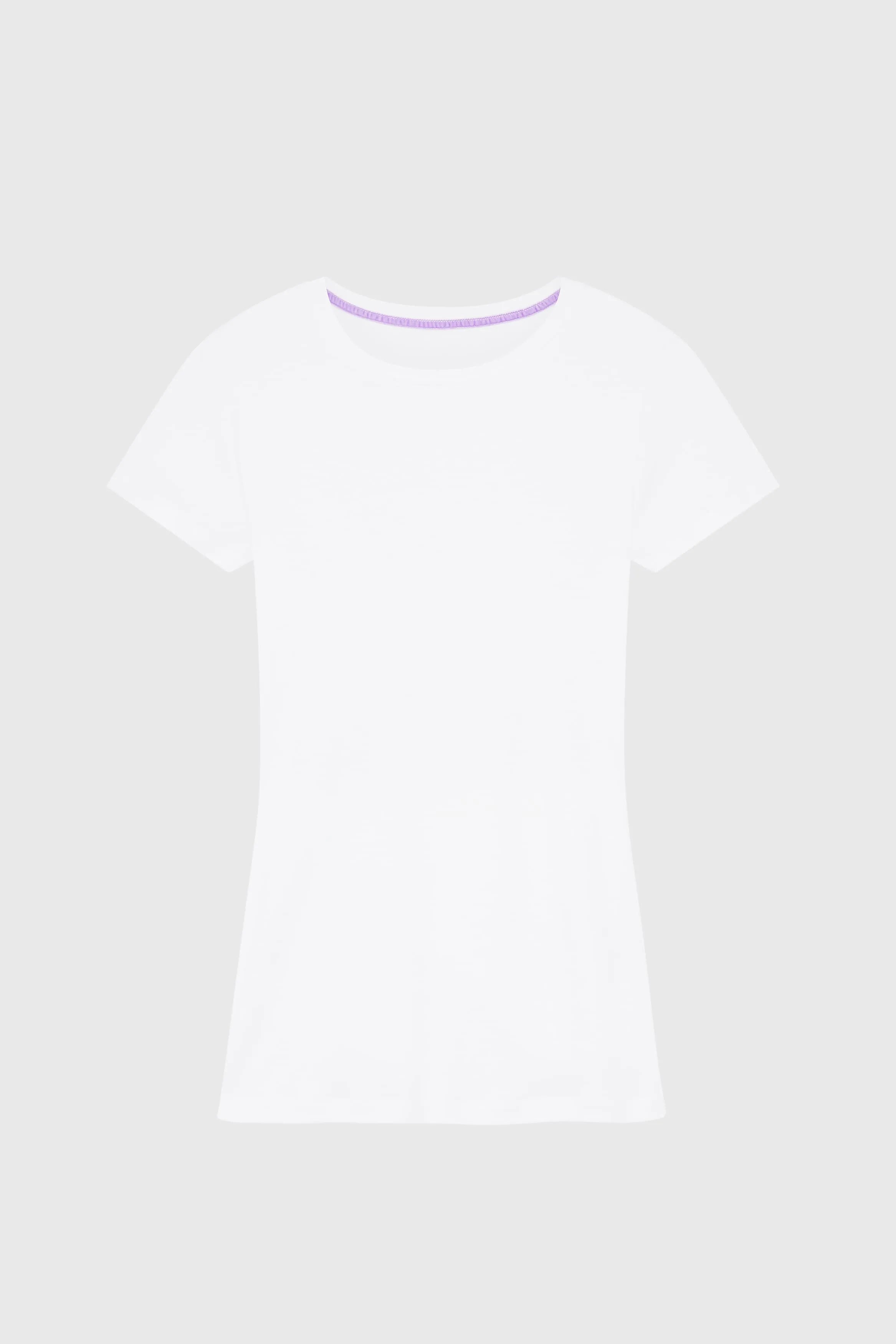
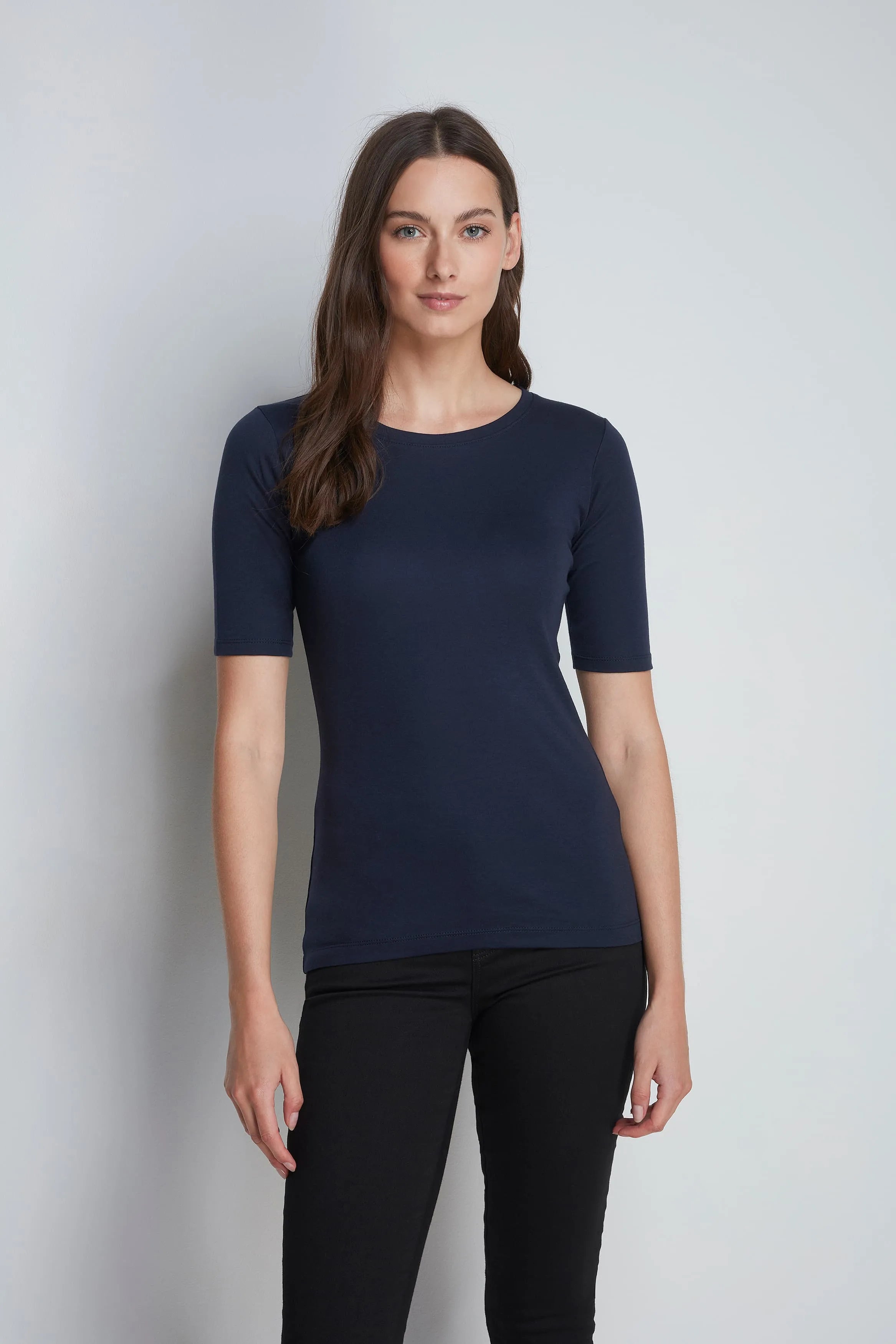
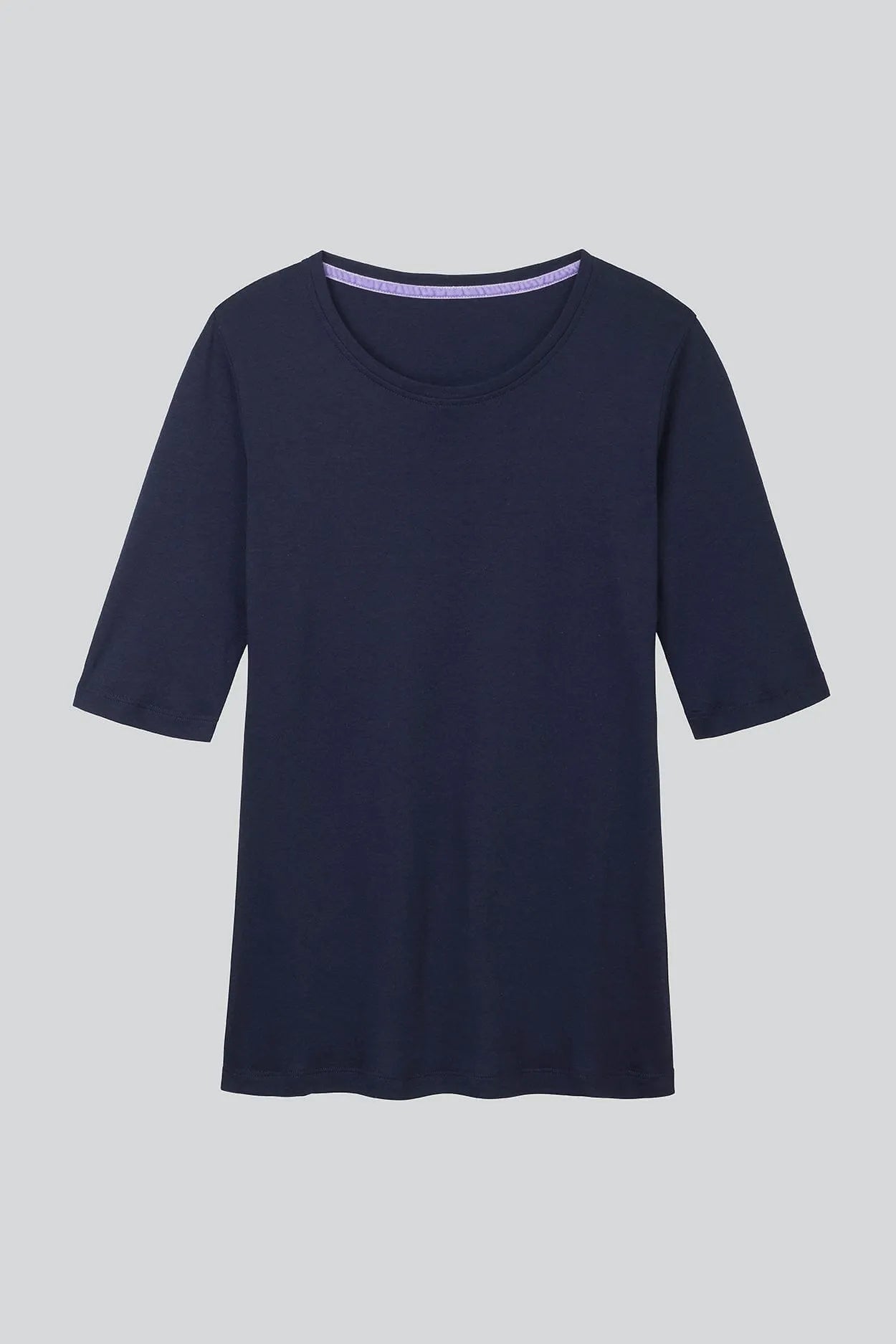
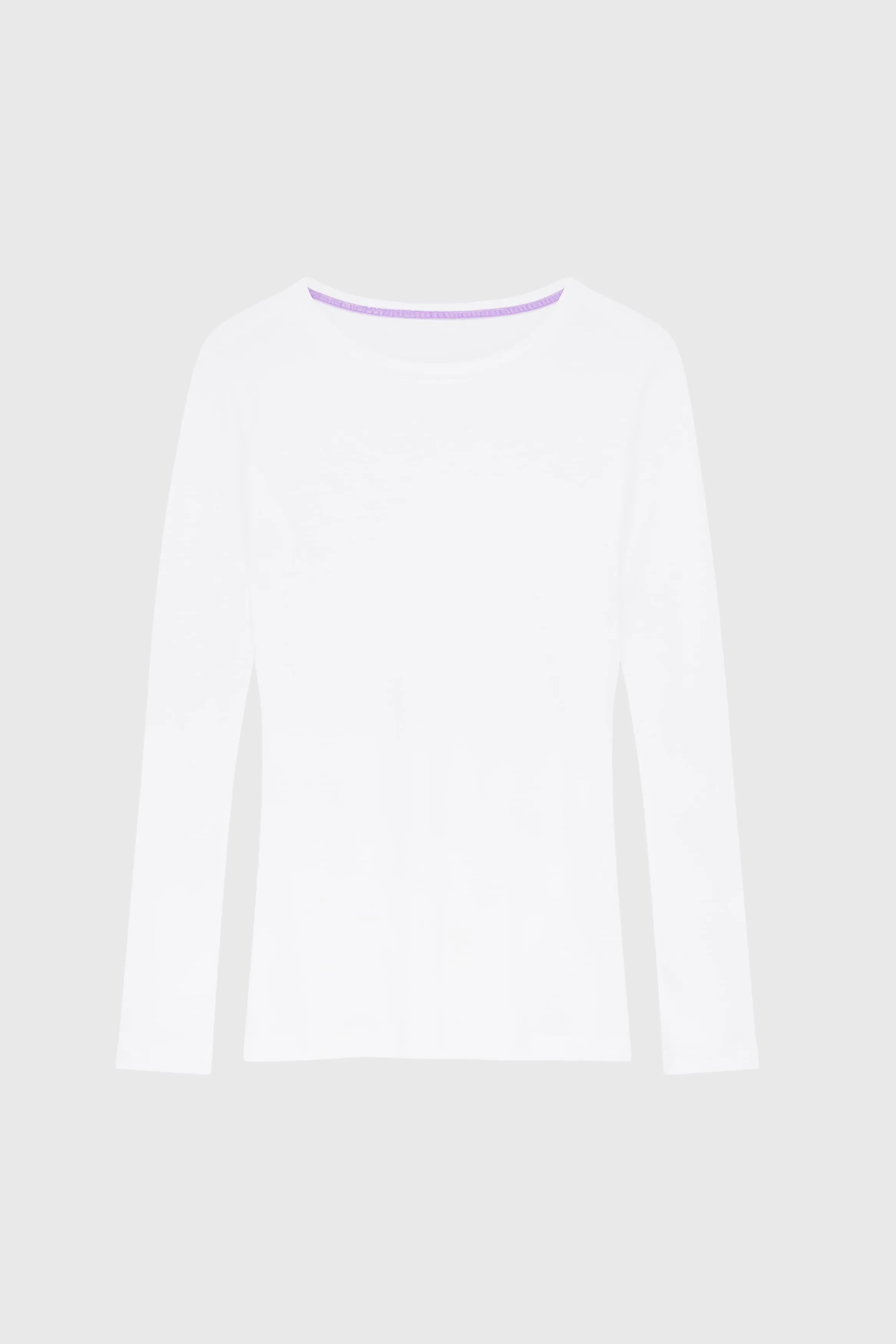
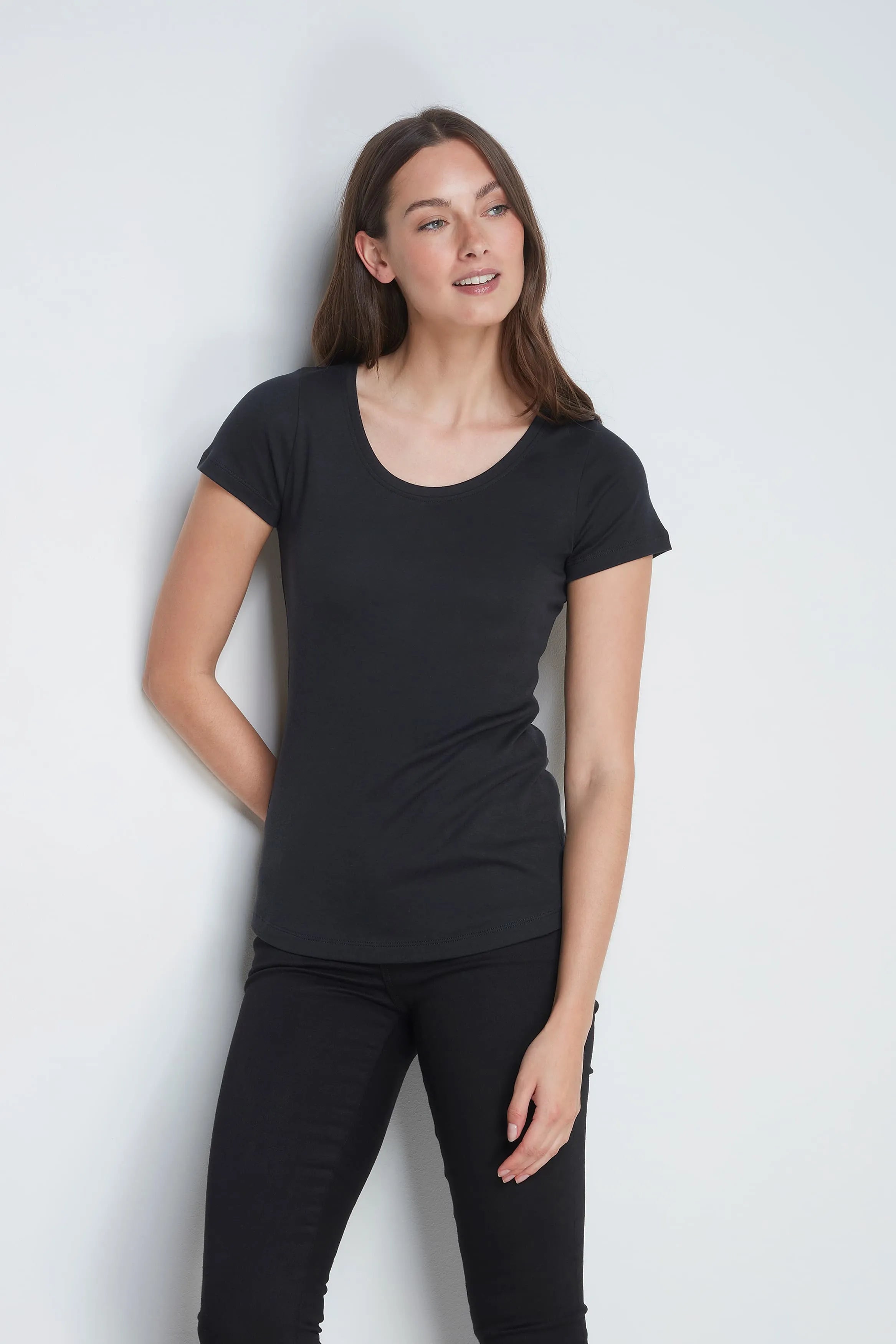
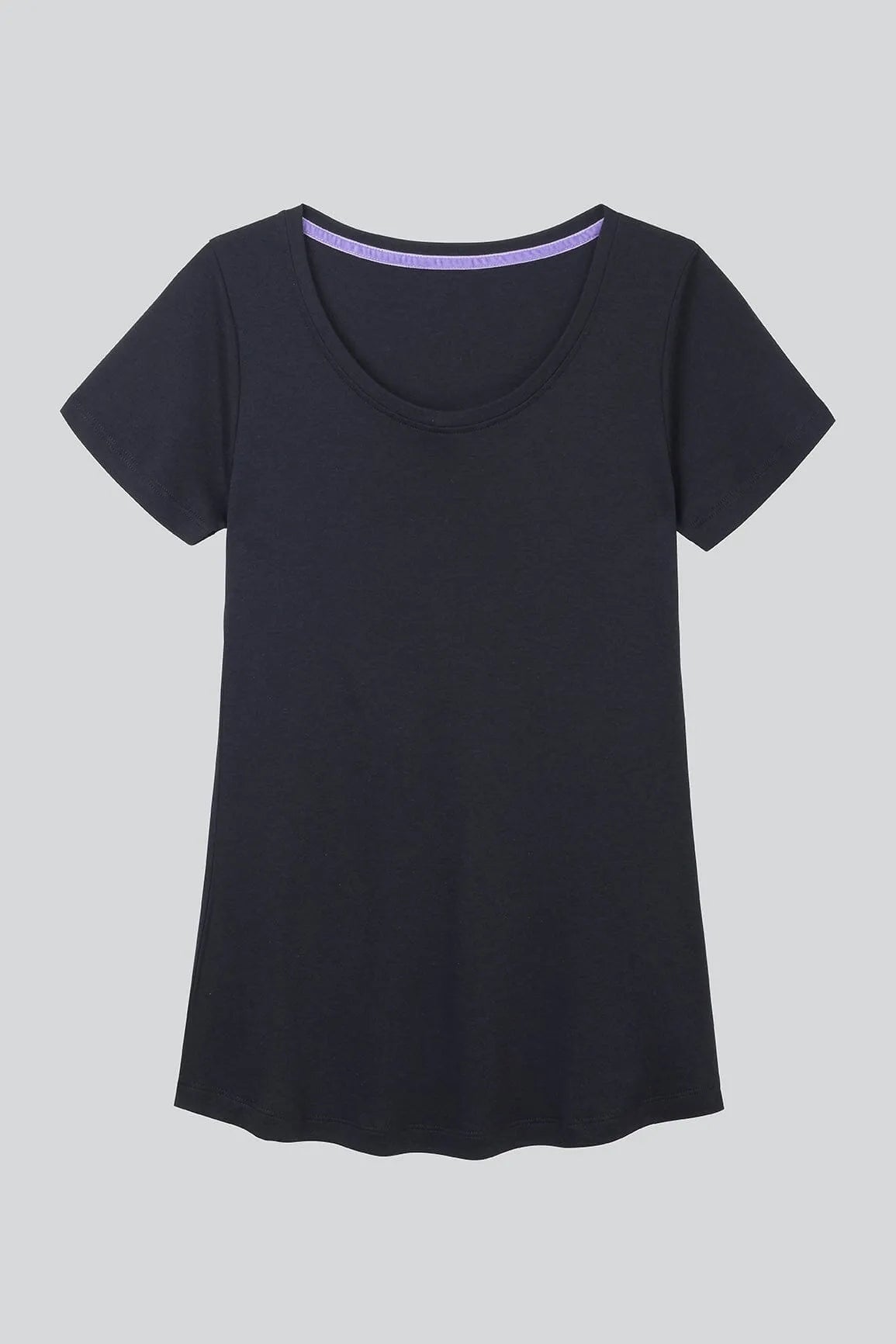
Best Colours for a Capsule Wardrobe: Navy, White, Black & Beyond
A useful capsule wardrobe does not need to be beige, monochrome or completely neutral.
The point of a wardrobe colour palette is simply to make sure enough of your clothes work together that getting dressed feels easy.
That usually means choosing:
-
two or three dependable foundation colours
-
one or two softer neutrals
-
a handful of accent colours you genuinely enjoy
The best palette is not the one that looks most disciplined on paper.
It is the one that reflects the colours you already wear and helps more of your wardrobe work together.
If you are trying to choose the best colours for a capsule wardrobe, here is a practical way to build a palette around navy, white, black and beyond.
Start with two or three foundation colours
Foundation colours are the shades that appear repeatedly across your wardrobe.
They are often used for:
-
trousers
-
T-shirts
-
knitwear
-
jackets
-
coats
-
shoes
Common foundations include:
-
navy
-
black
-
white
-
cream
-
grey
-
denim
-
chocolate
-
camel
You do not need all of them.
In fact, a smaller group often makes dressing easier.
For example:
navy + white + denim
can form a perfectly strong foundation.
So can:
black + cream + grey
or:
navy + cream + chocolate.
The right combination depends on what you already own.
Why navy is such a useful wardrobe colour
Navy is one of the most versatile colours in a women’s wardrobe.
It can do many of the same jobs as black while feeling slightly softer.
Navy works particularly well with:
-
white
-
cream
-
grey
-
denim
-
camel
-
chocolate
-
olive
-
pale blue
-
burgundy
-
pink
-
lavender
That makes it especially useful for T-shirts and knitwear.
A navy T-shirt can work:
with white trousers in summer
with denim in spring
under a camel cardigan in autumn
beneath grey knitwear in winter
Few colours transition between seasons so easily.
Navy or black: which is better for a capsule wardrobe?
Neither is universally better.
Choose navy if you prefer:
-
a softer dark neutral
-
classic combinations with white and cream
-
blue-based wardrobes
-
less visual contrast near the face
Choose black if you prefer:
-
stronger contrast
-
monochrome dressing
-
evening styling
-
a sharper overall look
Some wardrobes need both.
Others work perfectly well with one.
Why white remains such a strong foundation
White is valuable because it creates contrast.
A white T-shirt can break up:
-
navy
-
black
-
grey
-
denim
-
camel
and make darker wardrobes feel lighter.
It works particularly well as:
-
a T-shirt
-
shirt
-
vest
-
layering piece
White also remains useful throughout the year.
It is not only a summer colour.
In autumn and winter, a little white showing beneath:
-
knitwear
-
a blazer
-
a cardigan
can make the entire outfit feel fresher.
What if bright white does not work for you?
Use:
-
soft white
-
ivory
-
cream
-
ecru
instead.
These can perform the same wardrobe role with less contrast.
Cream is especially useful with:
-
camel
-
chocolate
-
navy
-
olive
-
denim
-
burgundy
This is why it helps to think in terms of colour families rather than one mandatory shade.
Black as a capsule wardrobe foundation
Black remains one of the most practical wardrobe colours.
It works well for:
-
trousers
-
T-shirts
-
knitwear
-
dresses
-
shoes
-
coats
Its main advantage is simplicity.
Black combines easily with:
-
white
-
cream
-
camel
-
grey
-
denim
-
red
-
pink
-
blue
-
green
It can also make very simple outfits feel more polished.
For example:
black T-shirt + black trousers
creates a clean monochrome base.
Add:
-
a camel blazer
-
silver jewellery
-
a coloured scarf
and the outfit changes immediately.
Do you need both navy and black?
Not necessarily.
This is one of the easiest places to overcomplicate a capsule wardrobe.
If you clearly prefer navy, let navy do most of the work.
If you wear black constantly and rarely choose navy, there is no reason to force navy into the palette.
Your wardrobe should reflect your habits.
Not somebody else’s checklist.
Choose one softer neutral
Once you have your darker foundations, add a softer neutral.
This might be:
-
cream
-
camel
-
chocolate
-
taupe
-
grey
-
olive
These shades bridge the gap between very light and very dark colours.
They can also make outfits feel less stark.
For example:
navy + cream
feels softer than:
navy + bright white.
Likewise:
chocolate + cream
creates a warm tonal combination.
Chocolate as a modern neutral
Chocolate brown is particularly useful because it behaves much like black or navy while feeling warmer.
It works beautifully with:
-
cream
-
pale blue
-
denim
-
camel
-
olive
-
burgundy
-
soft pink
It can be especially effective in autumn, but there is no reason to treat it as purely seasonal.
Grey as a wardrobe foundation
Grey is useful because it sits between black and white.
Different shades create very different effects.
Light grey
Works well with:
-
navy
-
white
-
black
-
pale blue
-
pink
Charcoal
Can replace black if you want a softer dark neutral.
Mid-grey
Pairs well with:
-
denim
-
cream
-
burgundy
-
navy
Grey is especially useful in knitwear, tailoring and layering.
Denim counts as a neutral
This is easy to overlook.
If you wear jeans regularly, denim is already one of your biggest wardrobe colours.
That means your capsule palette should work with it.
Ask whether a new T-shirt or jumper works with:
-
blue denim
-
dark denim
-
black denim
before buying it.
If it does, the piece is immediately more versatile.
Your capsule wardrobe does not have to be neutral
A wardrobe made entirely from:
-
black
-
white
-
navy
-
beige
may look beautifully coordinated.
But it can also become boring if those are not the colours you genuinely enjoy.
A useful capsule should contain enough consistency to create outfits easily.
It should not remove personality.
Choose accent colours you already wear
Instead of asking:
What accent colours should I buy?
look at what already appears in your wardrobe.
Perhaps you repeatedly wear:
-
lavender
-
pale blue
-
green
-
pink
-
red
-
burgundy
Those patterns matter.
If you already own:
-
a lavender scarf
-
a pink cardigan
-
blue jewellery
those colours can inform your T-shirt choices.
Use T-shirts as low-risk colour
T-shirts are one of the easiest ways to introduce colour.
Why?
Because the silhouette is simple.
A lavender or green T-shirt does not need complicated styling.
You can wear it with:
navy trousers
denim
cream
black
and the colour becomes the main point of interest.
This is particularly useful if you have already found a T-shirt shape you love.
You can keep the:
-
same neckline
-
same sleeve length
-
same fit
and simply change the colour.
Why repeating a successful shape works
Imagine you know that a three-quarter-sleeve scoop neck works perfectly for you.
Buying it in:
-
navy
-
cream
-
lavender
creates variety without introducing three different silhouettes.
This can make a capsule wardrobe much easier to manage.
The consistency comes from the shape.
The personality comes from the colour.
How many colours should a capsule wardrobe have?
There is no fixed number.
But a practical approach might be:
2–3 foundation colours
For example:
-
navy
-
white
-
denim
1–2 softer neutrals
For example:
-
cream
-
camel
2–4 accent colours
For example:
-
lavender
-
pale blue
-
burgundy
That is already enough to create significant variety.
A simple navy-based capsule palette
If navy is your main dark neutral, try:
Navy
White
Cream
Denim
Camel
Then add:
Lavender
Pale blue
Burgundy
This gives you:
-
strong neutrals
-
tonal blues
-
warm contrast
-
enough colour to avoid monotony
A black-based capsule palette
If black dominates your wardrobe, try:
Black
White
Grey
Cream
Denim
Then add:
Red
Pink
Green
This keeps the foundation clean but prevents the wardrobe becoming too severe.
A softer neutral capsule palette
If you prefer less contrast, try:
Navy
Cream
Chocolate
Camel
Denim
Then add:
Lavender
Pale blue
Soft pink
This creates a more tonal overall wardrobe.
Test colour combinations before buying
One of the easiest ways to avoid bad purchases is to test the colour against what you already own.
Before buying a new T-shirt, ask:
Can I wear this with at least three existing bottoms or layers?
For example, a lavender T-shirt might work with:
-
navy trousers
-
jeans
-
cream trousers
-
grey cardigan
-
camel jacket
That gives it plenty of wardrobe potential.
If a colour only works with one specific outfit, it may be less useful.
Check combinations, not individual items
A beautiful colour in isolation is not necessarily a useful wardrobe colour.
Imagine a jumper in a perfect shade of green.
If it works with none of your:
-
trousers
-
jeans
-
skirts
-
coats
it may become difficult to wear.
The same applies to T-shirts.
Always judge colour in context.
Look inside your wardrobe before choosing your palette
The best capsule wardrobe palette is usually already there.
Take a quick inventory.
Which colours appear most in your:
-
trousers?
-
knitwear?
-
jackets?
-
shoes?
-
scarves?
Those are your real foundation colours.
You do not need to invent a completely new palette.
You need to make your existing one more coherent.
Do shoes need to match your clothing palette?
They do not need to match exactly.
But they should work with enough of the wardrobe.
Useful shoe colours include:
-
black
-
brown
-
tan
-
navy
-
white
depending on your wardrobe.
If most of your clothes are navy, cream and camel, brown or tan footwear may integrate more naturally than black.
What about handbags?
The same principle applies.
A bag does not have to match your shoes.
But it should work with enough of your wardrobe that you can use it frequently.
Neutral bags are useful.
Colourful bags can also work if the shade already appears elsewhere in your wardrobe.
Jewellery is part of the palette too
Do you tend to wear:
-
gold
-
silver
-
mixed metals?
This can subtly affect how colours feel.
You do not need to build the wardrobe around jewellery, but it is worth noticing repeated preferences.
Should warm and cool colours be separated?
Not rigidly.
You may enjoy both.
Traditional colour-analysis systems can be useful if they help you understand which shades you prefer, but they should not become restrictive.
Your own reaction matters more.
If you love:
-
navy
-
camel
-
lavender
wear them.
A wardrobe should serve the person wearing it.
Use seasonal colours without rebuilding the wardrobe
You can make a wardrobe feel seasonal without changing the foundation.
For autumn, keep:
-
navy
-
cream
-
black
-
denim
and introduce:
-
chocolate
-
olive
-
burgundy
For spring, keep the same foundation and add:
-
pale blue
-
pink
-
lavender
This is far more practical than rebuilding your wardrobe every three months.
An autumn capsule wardrobe colour palette
A particularly versatile autumn combination is:
navy + chocolate + cream + black
Then add:
-
burgundy
-
olive
-
pale blue
This gives you enough depth for cooler weather without making everything dark.
A spring capsule wardrobe colour palette
Try:
navy + white + cream + denim
with:
-
lavender
-
pale blue
-
pink
The same trousers and jackets can continue working while lighter T-shirts change the overall effect.
Can white and cream be worn together?
Yes.
There is no rule that says they need to match exactly.
White and cream can create a very sophisticated tonal combination.
For example:
white T-shirt + cream cardigan
or
cream T-shirt + white trousers.
The slight difference in shade can make the outfit feel more layered.
Can navy and black be worn together?
Yes.
This combination was once treated as something to avoid.
There is no reason to.
Navy and black can look particularly modern when the distinction is clear and deliberate.
Try:
navy T-shirt + black trousers
or
black T-shirt + navy blazer.
Can brown and black be worn together?
Yes.
Again, contrast and styling matter more than outdated colour rules.
Chocolate brown with black can create a rich autumnal palette.
How to avoid a boring capsule wardrobe
If your wardrobe feels too neutral, you do not necessarily need more clothes.
You may simply need:
-
more colour
-
texture
-
jewellery
-
scarves
-
different neckline shapes
A coloured T-shirt is often one of the easiest additions.
Do all your T-shirts need to be neutral?
No.
A practical T-shirt wardrobe might include:
-
white
-
navy
-
black
-
lavender
-
pale blue
That is still easy to combine.
In fact, colour can make a small wardrobe feel significantly larger.
Colour should support repeat wear
A useful wardrobe colour is one you keep reaching for.
It does not matter whether a trend report says it is fashionable.
If you love navy every year, navy remains useful.
If lavender has been one of your favourite colours for a decade, it does not need to be validated by a seasonal trend.
Repeat wear is more important than novelty.
Why Lavender Hill uses colour across core T-shirt shapes
At Lavender Hill Clothing, T-shirts have been central to the collection since 2013.
One of the advantages of specialising in T-shirts is being able to offer familiar shapes across:
-
core neutrals
-
classic colours
-
softer seasonal shades
The idea is simple.
Once you find a neckline, sleeve length and fit that works for you, colour can provide variety without requiring you to start again.
That makes it easier to build a wardrobe that feels both:
coherent + personal.
How to build your own wardrobe colour palette
Use this five-step process.
1. Find your main dark neutral
Choose:
-
navy
-
black
-
charcoal
-
chocolate
2. Find your main light neutral
Choose:
-
white
-
cream
-
ivory
-
pale grey
3. Identify your existing supporting neutral
This might be:
-
denim
-
camel
-
grey
-
olive
4. Choose two or three colours you genuinely love
For example:
-
lavender
-
red
-
blue
5. Test every new colour against your existing wardrobe
Aim for at least three easy combinations.
That is enough structure for a useful palette without making the process rigid.
A capsule wardrobe colour checklist
Before buying a new colour, ask:
Does it work with my main trousers?
Does it work with my denim?
Does it work under my favourite jacket?
Does it work with my knitwear?
Do I actually enjoy wearing this colour?
If the answer is yes to most of those, it is probably a strong addition.
The best capsule wardrobe colours are the ones you repeat
Navy, white, black, cream and denim are popular wardrobe foundations for good reason.
They are easy to combine.
But they are only the beginning.
A genuinely useful colour palette should also include the shades that make your wardrobe feel like yours.
Perhaps that is:
-
lavender
-
pink
-
green
-
red
-
pale blue
-
chocolate
There is no correct capsule wardrobe colour chart.
The goal is simply to create enough connection between your clothes that you can build outfits without effort.
At Lavender Hill, that is why we believe colour and consistency can work together.
Find the T-shirt shape you love.
Keep the foundation colours that work.
Then add enough colour to make you want to wear it.
FAQ's
What are the best colours for a capsule wardrobe?
There is no universal palette, but navy, black, white, cream, grey, denim, camel and chocolate are useful foundation colours because they combine easily. The best choices are the ones that already work with your wardrobe.
How many colours should a capsule wardrobe have?
There is no fixed number. A practical starting point is two or three foundation colours, one or two softer neutrals and a small number of accent colours you genuinely enjoy wearing.
Is navy or black better for a capsule wardrobe?
Both are versatile. Navy can feel softer and works especially well with cream, denim and camel, while black provides stronger contrast and works particularly well for monochrome and evening outfits.
Does a capsule wardrobe have to be neutral?
No. Neutrals make coordination easier, but a useful wardrobe should also contain colours you enjoy. Accent shades such as lavender, blue, red, pink or green can add personality without reducing versatility.
What colours go well with navy in a capsule wardrobe?
Navy works particularly well with white, cream, camel, grey, denim, chocolate, olive, pale blue, burgundy, pink and lavender.
How do I choose accent colours for my wardrobe?
Look at colours you already wear repeatedly in T-shirts, knitwear, scarves, shoes or accessories. Those are usually better choices than selecting a completely new colour simply because it is fashionable.
Should I buy the same T-shirt in several colours?
Yes, if the shape already works for you. Repeating a successful neckline, sleeve length and fit in different useful colours is an easy way to add variety while keeping your wardrobe coherent.
How does Lavender Hill approach colour?
Lavender Hill Clothing offers core T-shirt shapes across versatile neutrals and a wider selection of colours so customers can keep a familiar fit while choosing shades that work with their individual wardrobes.