
The True Cost of Fabrics: What Does "Sustainable" Really Mean?
Fabrics are often described as "sustainable", but the word has no single legal definition, and the picture for each fibre is more mixed than a label suggests. This guide explains what to look at when comparing fabrics and what that means for how you buy.
What does "sustainable" mean for a fabric?
There is no agreed standard for the word, and rules on environmental claims are tightening in the UK and EU. It is more useful to look at specific factors:
- Water use. How much water is needed to grow or make the fibre? Cotton is generally water-intensive, whether conventional or organic, though farming methods and location make a large difference.
- Energy and raw materials. Synthetic fibres such as polyester are made from petroleum, while natural and plant-based fibres start from crops or wood.
- Processing. Spinning, dyeing and finishing affect the overall footprint of a garment, whatever the fibre.
- End of life. What happens when the garment is no longer wanted? Pure natural fibres can break down under the right conditions, but blends and finishes complicate this, and few garments are recycled into new clothes.
- Microfibres. Synthetic fabrics shed tiny fibres when washed.
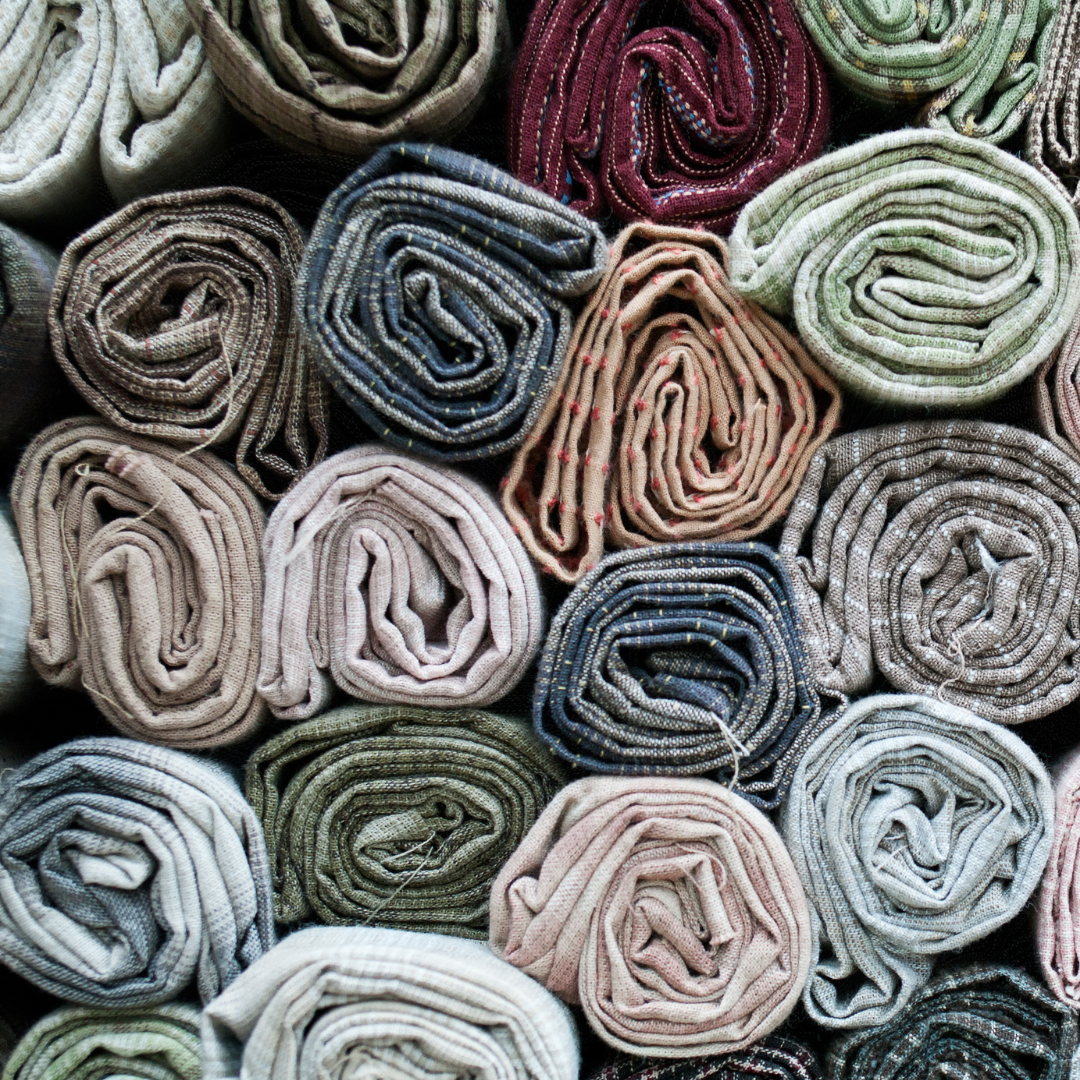
Comparing common fibres
| Fibre | What it is | Points to consider |
|---|---|---|
| TENCEL™ Modal | A cellulose fibre made from wood pulp (beech) by Lenzing | Soft and smooth. Manufactured, so it involves chemical processing. |
| Cotton | A natural seed fibre | Breathable and versatile. Needs significant water to grow. |
| Recycled polyester | Synthetic fibre made from recycled plastic, often bottles | Reuses existing plastic, but still sheds microfibres. |
| Linen and hemp | Natural stem fibres | Generally need less water and fewer inputs than cotton, but processing and farming vary. |
No fibre comes out best on every measure. A T-shirt in any of these fabrics still takes resources to make, so how long it lasts and how often it is worn matter as much as the fibre.
The fabrics we use
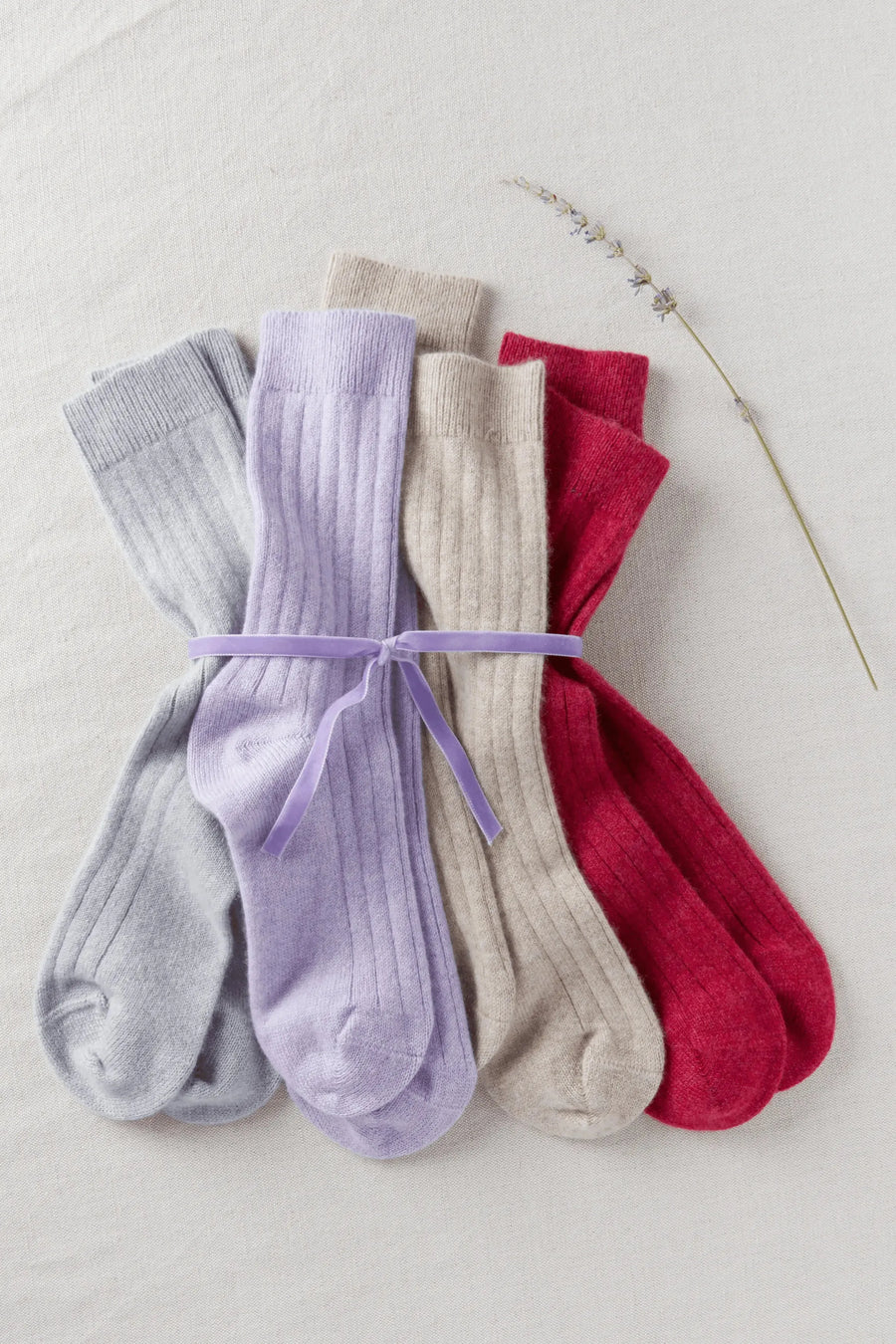
At Lavender Hill Clothing we use cotton (including Supima cotton in selected pieces), TENCEL™ Modal and TENCEL™ Lyocell, linen, merino, cashmere and alpaca, with silk in a few pieces. We choose fabrics for how they feel, wear and wash, and list fibre content on our product pages. See what is modal fabric and our cotton guide.
Is choosing a better fabric enough?
Not on its own. The fibre is only one part. The most reliable approach is to buy fewer pieces that you will wear often, look after them, repair them and pass them on when you are done. Read the label, ask where a garment was made, and treat broad claims with caution unless they come with specifics.