
What Does “Sustainable Fashion” Actually Mean?
“Sustainable fashion” is widely used, but there is no single legal definition of it, and it means different things to different people. This article explains why the term is hard to pin down, what makes clothing hard to judge, and what you can do as a shopper.
Why the term is hard to pin down
Every stage of a garment's life has an environmental and social impact: growing or producing the fibre, spinning, dyeing, making, shipping, wearing, washing and disposal. Improving one stage can make another worse, and fabrics have different trade-offs. Cotton needs water and land, and synthetic fabrics can shed microplastics when washed. Fast fashion adds to the problem by encouraging overbuying of low-quality clothing that is often discarded quickly.
Because of this, a brand cannot simply be “sustainable”. UK and EU rules now restrict vague environmental claims, and require evidence for specific ones. That is a good prompt for shoppers to ask for specifics too.
What to look for in a brand
Instead of slogans, look for plain facts:
- Fibre: the actual composition on the label.
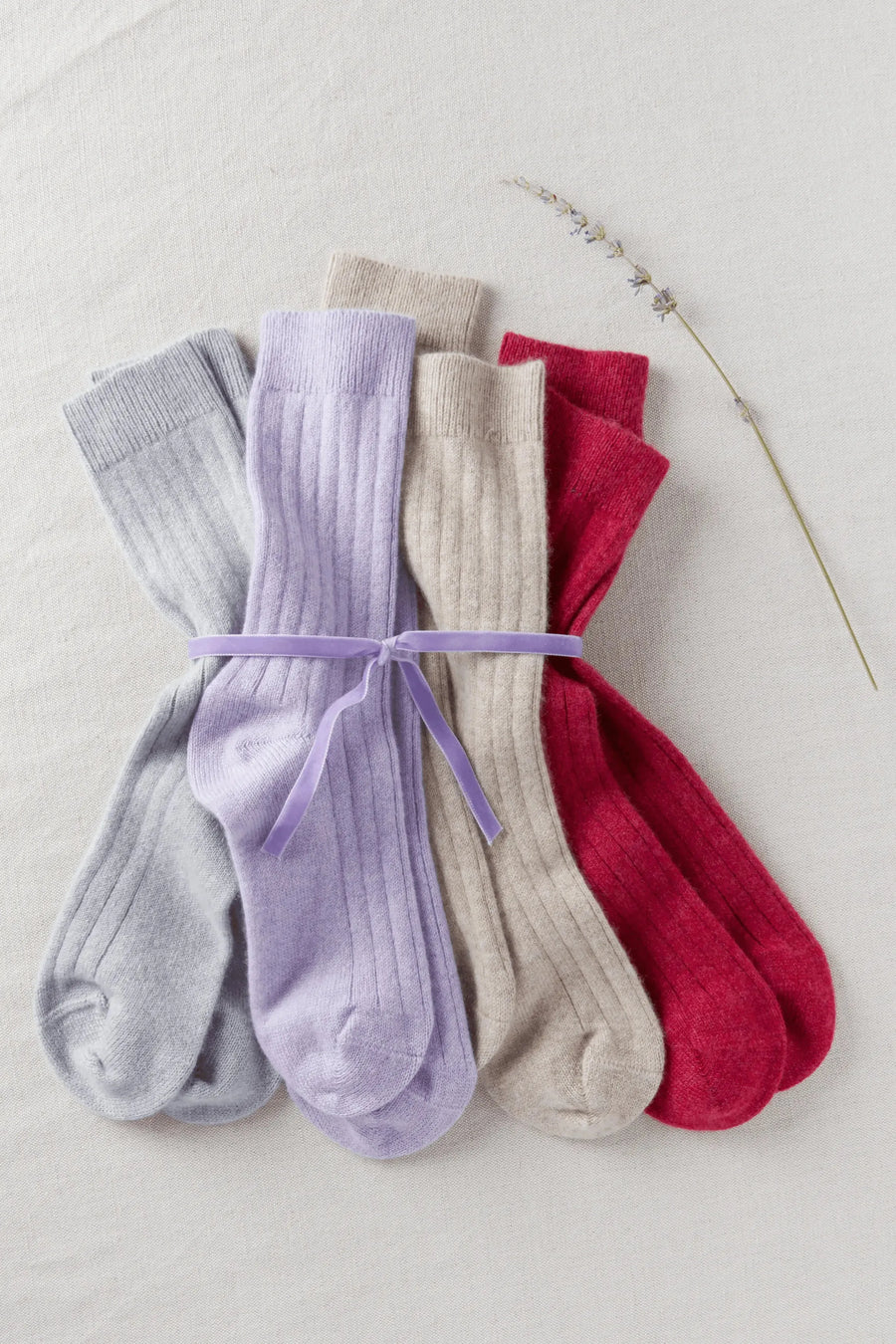
- Origin: where the garment was made. Lavender Hill clothes are designed in Britain; most T-shirts and the nightwear are made in Portugal, socks and cashmere in the UK, and alpaca pieces in Peru.
- Design: pieces made to be worn season after season rather than one trend.
- Production: brands that make in smaller runs or to demand reduce unsold stock.
- Evidence: specific, checkable statements rather than broad claims. If a certification is mentioned, check what it covers.
What you can do as a shopper
- Buy fewer, better-made pieces that you expect to wear for years.
- Wear what you already own for longer.
- Repair, repurpose or resell clothes rather than throwing them away. We include a Thrift+ bag in our parcels to make passing on clothes easier.
- Wash less often and at lower temperatures, which helps clothes last.
- Ask brands for specifics about fibre and origin.
Where the industry is heading
Ideas often discussed include closed-loop recycling, new fibre technologies and tighter regulation. Which of these will make a real difference is still open, and none of them replaces buying less and wearing more.
Final thoughts
No brand can be perfect, and the label alone tells you little. Clear facts, clothes you will keep, and good care are the most reliable guides. Browse our T-shirts to see fibre and origin details on each product.