Activewear Made from Natural Materials: Fabrics, Fit and Care
Natural-fibre activewear is a good fit for yoga, Pilates, walking and everyday movement. This guide compares natural and synthetic fabrics, explains how modal and lyocell are made, and covers how to choose and care for your activewear.
Natural fibres and how they feel
Fabric choice comes down to feel, breathability and what you are doing in it.
- Cotton is soft and breathable, good for low-impact sessions and everyday wear.
- TENCEL™ Modal and Lyocell are smooth, fluid fibres made from wood pulp. They feel soft against the skin and drape well.
- Merino is a fine wool that suits cooler weather and outdoor activity.
- Alpaca is warm and soft, better suited to layering and cold-weather walks than to intense workouts.
Lyocell: how it is made
Lyocell is a regenerated cellulose fibre. Wood pulp is dissolved in a solvent to form a thick solution, which is pushed through fine holes to make filaments. These are washed, dried and spun into yarn, then knitted or woven into fabric. The result is a smooth, soft fibre that absorbs moisture well and feels cool against the skin.
Modal: how it is made
Modal is also a regenerated cellulose fibre, made from beech wood pulp. The pulp is dissolved and extruded into fibres in a similar way, then spun into yarn. Modal is known for its softness, drape and resistance to pilling. Read more about modal fabric.
Natural versus synthetic activewear
| Feature | Natural and regenerated fibres | Synthetics (polyester, nylon) |
| Feel | Soft, smooth, often cooler to the touch | Can feel slick or clingy |
| Moisture | Absorbs moisture, may feel damp when you sweat heavily | Dries quickly, moves moisture to the surface |
| Stretch and recovery | Usually blended with elastane for stretch | Strong stretch and recovery |
| Odour | Varies by fibre; wool generally holds odour less than synthetics | Can hold odour after heavy use |
| Washing | Follow care label | Sheds microfibres in the wash |
Neither is better for every use. For high-intensity sessions where you sweat heavily, fast-drying synthetics are often the practical choice. For yoga, Pilates, stretching, walking and everyday wear, softer fabrics tend to be comfortable.
Activewear from Lavender Hill Clothing
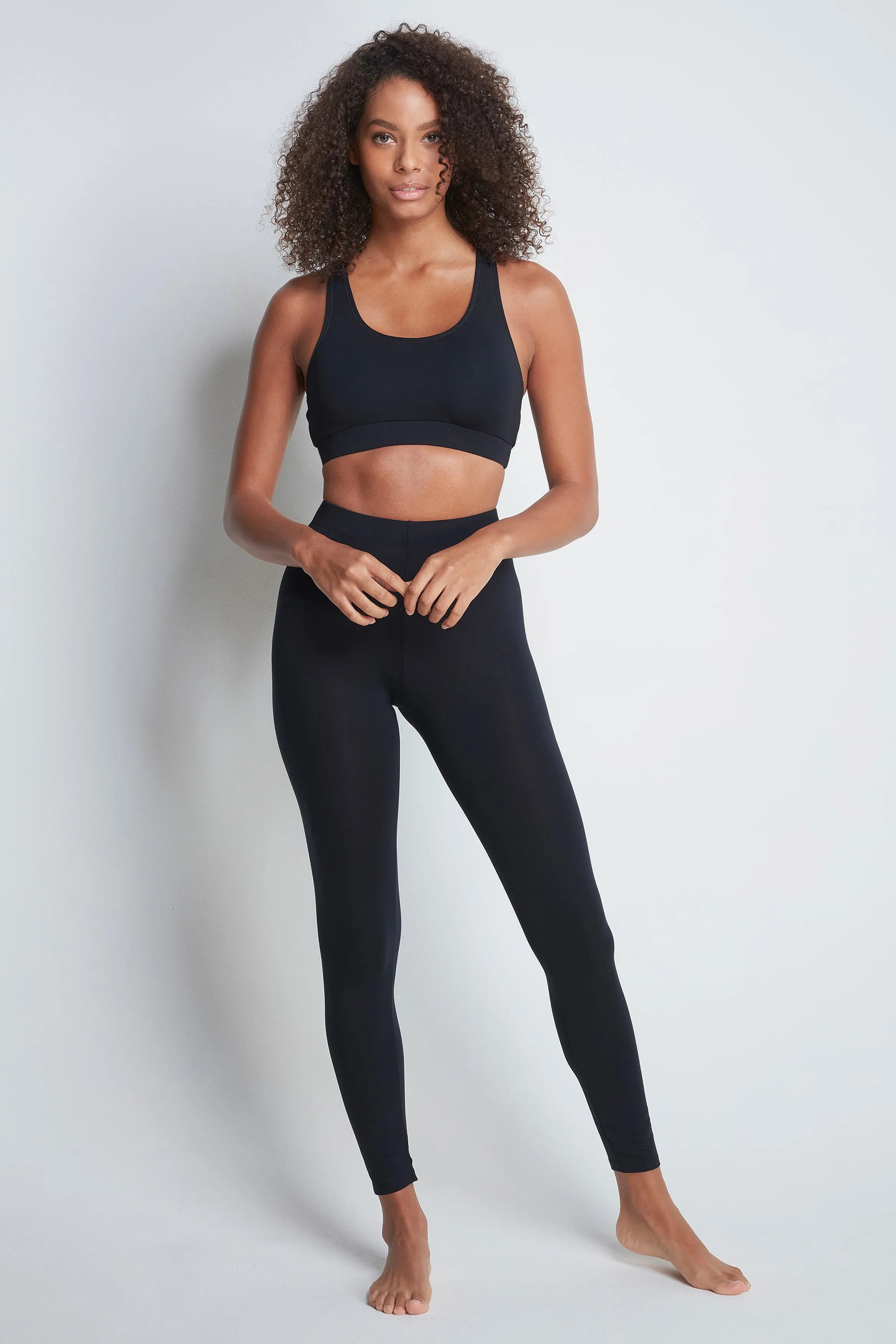
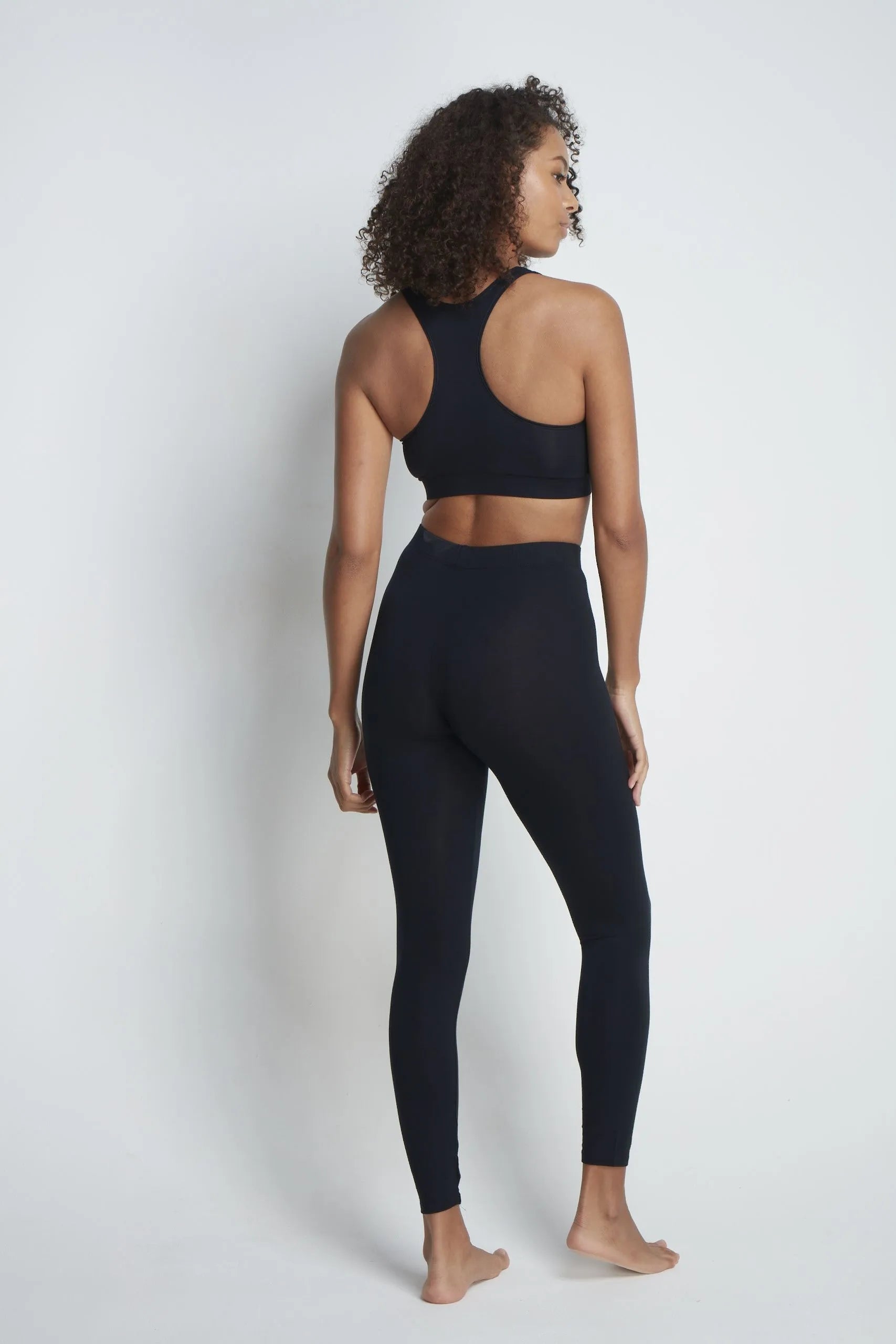
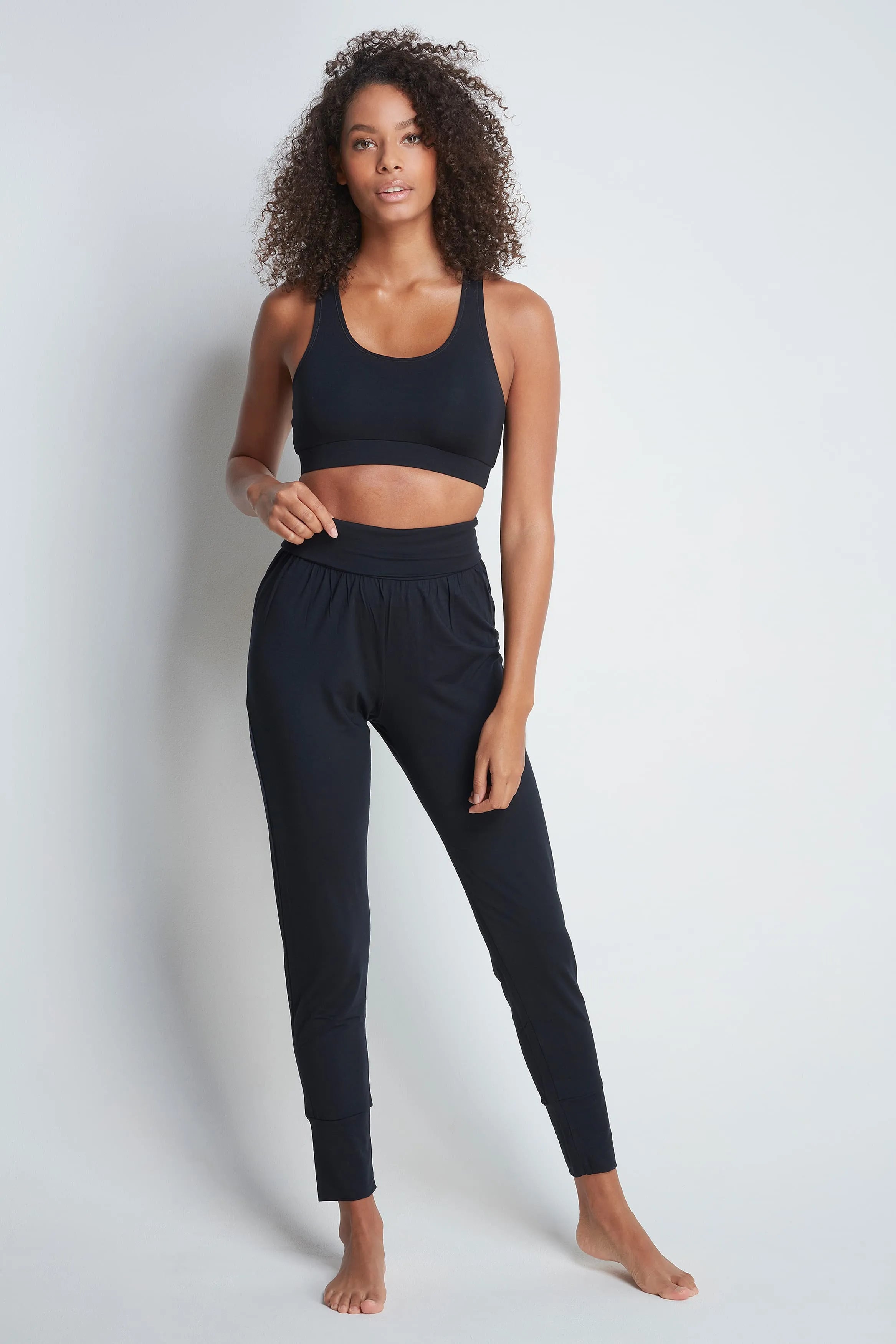
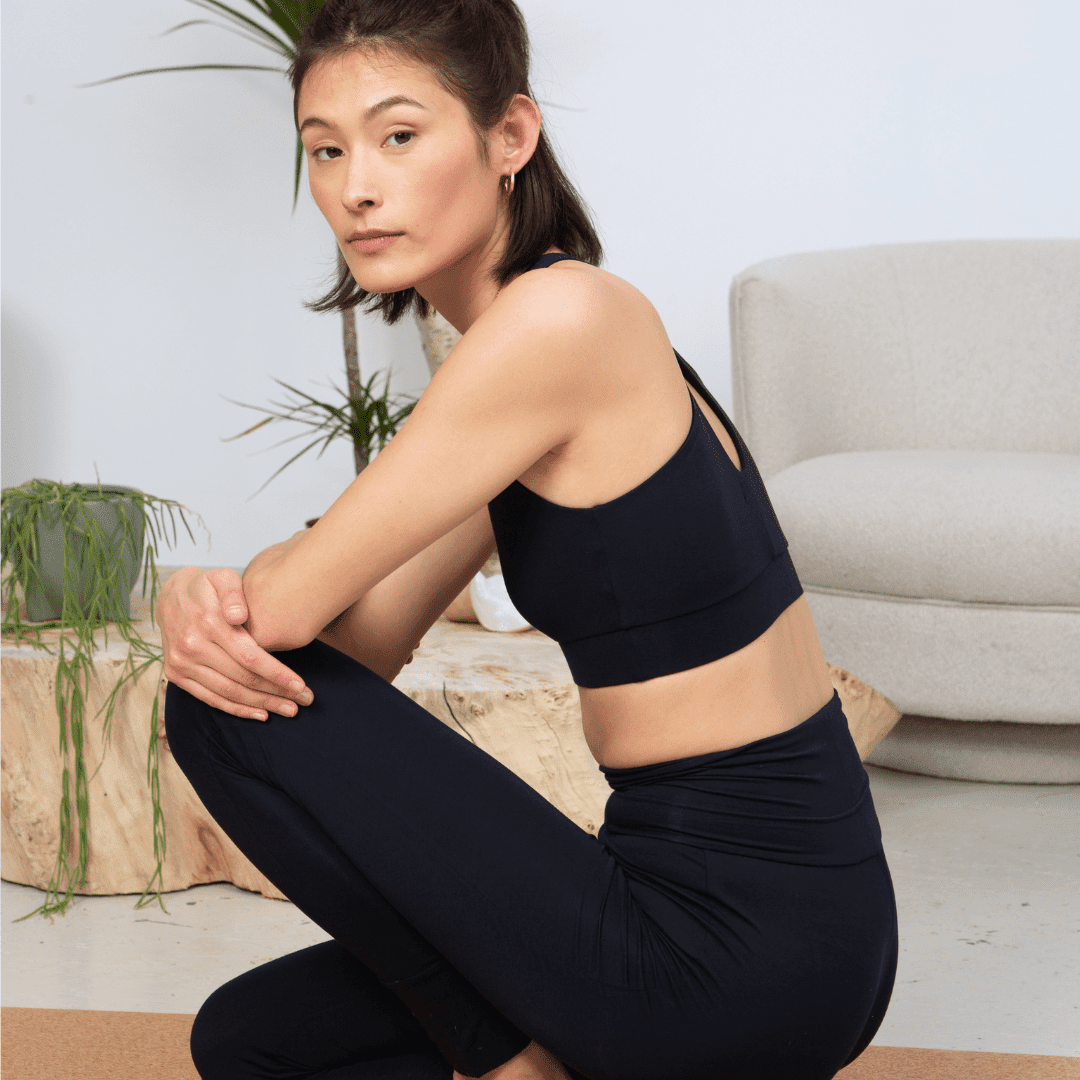
Our activewear is designed in Britain, and our leggings are made in the UK and Portugal. The activewear collection includes:
- Yoga trousers in soft, stretchy micro modal.
- Leggings in micro modal, which move with you and sit smoothly under a longer top.
Check each product page for the fibre content and care instructions.
How to choose activewear
- Match it to the activity. Yoga and Pilates need stretch and freedom to move. Walking and hiking suit layers you can add or remove.
- Check fit and sizing. Use the brand's size guide and look at the stretch and waistband. A good test is whether the fabric stays opaque when you bend.
- Read the fibre label. Percentages tell you what you are getting. Elastane is common for stretch.
- Look at the construction. Flat seams and a secure waistband matter more than any fabric name.
Switching from synthetic to natural fabrics
You will probably notice a softer feel and a lighter, less clingy fabric. You may also notice that natural fibres hold moisture for longer after a very sweaty session, so pick the fabric for the type of exercise you do.
Caring for activewear
- Follow the care label.
- Wash at a low temperature with a mild detergent and without fabric softener, which can affect stretch.
- Air dry where you can, or use a low heat setting.
- Wash after use, but avoid over-washing between wears for items such as merino.
Buying well
Whatever fabric you choose, activewear lasts longer when it fits properly, is washed gently and is worn for the activity it was made for. If you want to know more about how a brand makes its clothes, ask for fibre content and country of manufacture, and be cautious of broad claims with no detail behind them.