


Article: Creating A Life Of Balance: How To Increase Your Well-being

Creating A Life Of Balance: How To Increase Your Well-being
Well-being is hard to pin down, but most people recognise it: feeling reasonably well, connected to other people, and able to cope with what the week brings. This guide covers what the term means, what tends to affect it, and small habits that are easy to keep up. It is general information, not medical advice. If you are struggling, speak to your GP or a qualified professional.
Understanding well-being
What it means
Well-being is more than the absence of illness. It usually covers physical health, mental and emotional wellness, relationships, a sense of purpose and some financial stability. It varies from person to person and is shaped by culture and circumstances, so there is no single definition to measure yourself against.
How it is measured
Researchers use self-reported measures such as life satisfaction, alongside objective ones such as health status and income. Combining several indicators gives a fuller picture than any one number. For an individual, the most useful measure is simpler: how you feel across a typical week, and whether that is changing.
What affects well-being
Physical health
Regular movement, a balanced diet and enough sleep are the basics. Walking, stretching or a class you enjoy count as much as a gym routine. Small, repeatable changes are easier to keep than big overhauls.
Mental health
Stress management, rest and honest conversations with people you trust all help. Techniques such as breathing exercises or mindfulness suit some people more than others. If low mood or anxiety persists, professional support is the right next step.
Relationships and community
Time with family and friends, clubs, volunteering and local groups all give a sense of belonging. Messaging helps, but regular face-to-face time tends to matter more. Connection takes effort, so putting recurring plans in the diary helps.
Surroundings
Daylight, fresh air, time outside and a calm, tidy home all feed into how we feel day to day. You do not need a big change: opening a window, taking a walk at lunch or clearing one corner of a room is a start.
Habits for a more balanced life
Build simple routines
Pick one or two habits, such as a fixed bedtime or a daily walk, and keep them for a few weeks before adding more. Protecting time away from work helps avoid burnout. See our wellness tips for more ideas.
Make time for self-care and mindfulness
Self-care can be as ordinary as an early night, a bath, ten minutes of quiet or a stretch. Meditation, breathing exercises and yoga work well for some people. Our self-care tips have practical suggestions.
Invest in relationships
Cook with a friend, go for a walk with a neighbour, or join something local. Quality time matters more than quantity.
Set up your space
A calm bedroom, soft lighting, comfortable clothes and a few things you like to look at make home easier to relax in. Our wellbeing collection brings together a few pieces for winding down.
Comfortable fabrics and scent at home
Fabrics
Cotton, wool, linen and TENCEL™ Modal (a fibre made from beech wood pulp) are popular for loungewear and bedding because they feel soft and breathe well. Choose what feels comfortable to you. At Lavender Hill we use cotton, TENCEL™ Modal and Lyocell, linen, merino, cashmere, alpaca and silk in a few pieces, and you can browse everything to compare. Our fabric guide explains more about each fibre.
Scent and essential oils
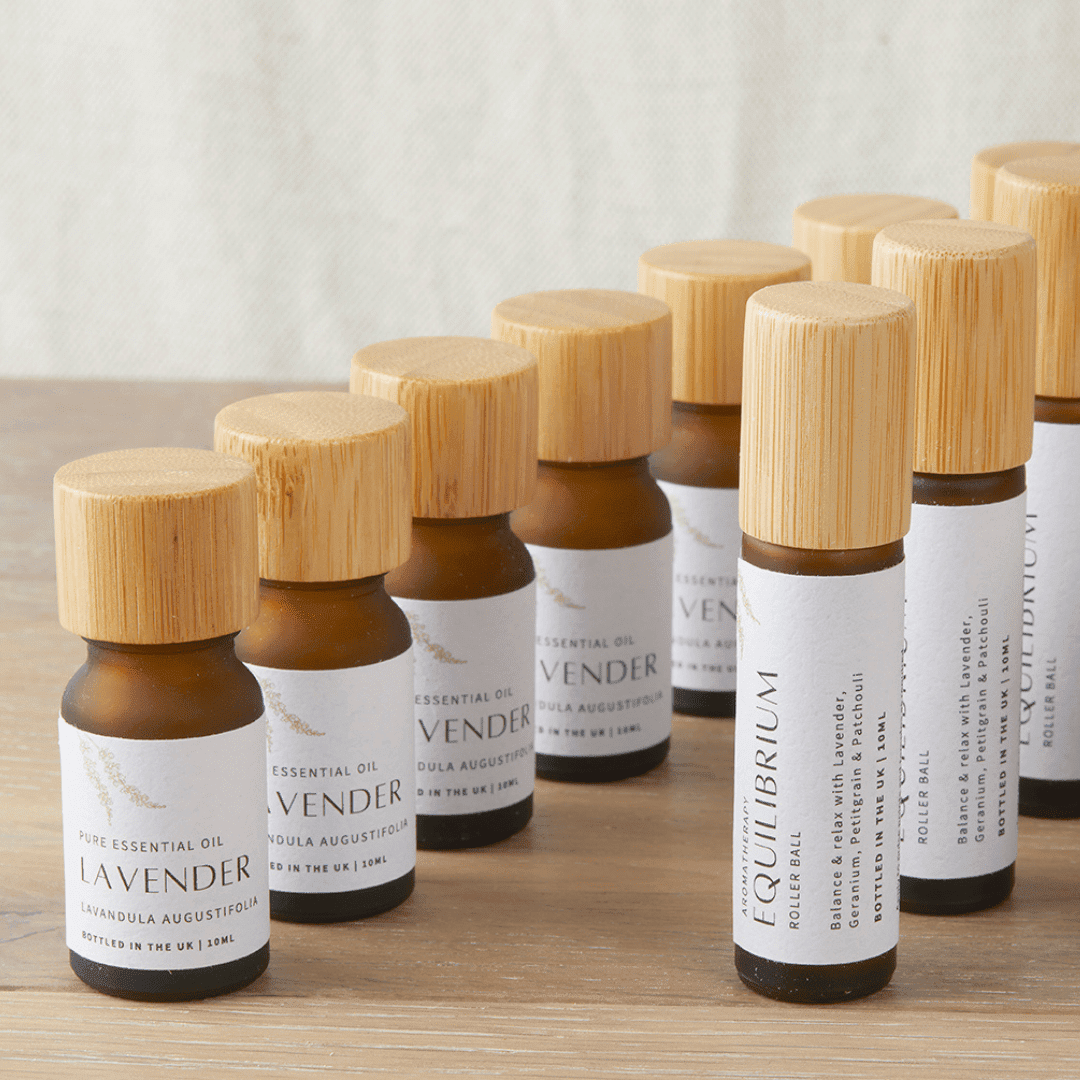
Many people use scent as part of an evening routine, for example a few drops of lavender oil in a diffuser. Scent is a matter of personal preference, and essential oils are not a treatment for any condition. They are concentrated, so follow the label, keep them away from children and pets, and check with a professional if you are pregnant or have a health condition. See our lavender oil and our guide to lavender.
A place to start
Choose one habit from this list, do it for two weeks and see how it feels. Well-being builds from small, steady changes.