Clothing for Sensitive Skin: Fabrics, Fit and Care
Clothing for Sensitive Skin: Fabrics, Fit and Care
If your skin is easily irritated, choosing what to wear takes some thought. Everyone's skin is different, and this guide is general information rather than medical advice. If you have a skin condition such as eczema or dermatitis, ask your doctor, pharmacist or dermatology nurse what is right for you. Here is what many people with sensitive skin look for in fabrics, fit and clothing care.
Which fabrics suit sensitive skin?
Many people with sensitive skin find smooth, soft fibres more comfortable than rough or scratchy ones. Good options to try include cotton, modal, lyocell, linen and silk. Some people find synthetic fibres such as polyester or nylon uncomfortable against the skin, and some find wool itchy, so it is worth testing a piece for a few hours before committing. Wash new clothes before wearing them.
Fit and construction
Fit matters as much as fibre. Look for:
- loose or relaxed shapes that do not rub or pinch
- flat seams and soft or tagless labels
- smooth fabric without rough trims or hardware
TENCEL™ Modal: a soft, smooth fibre
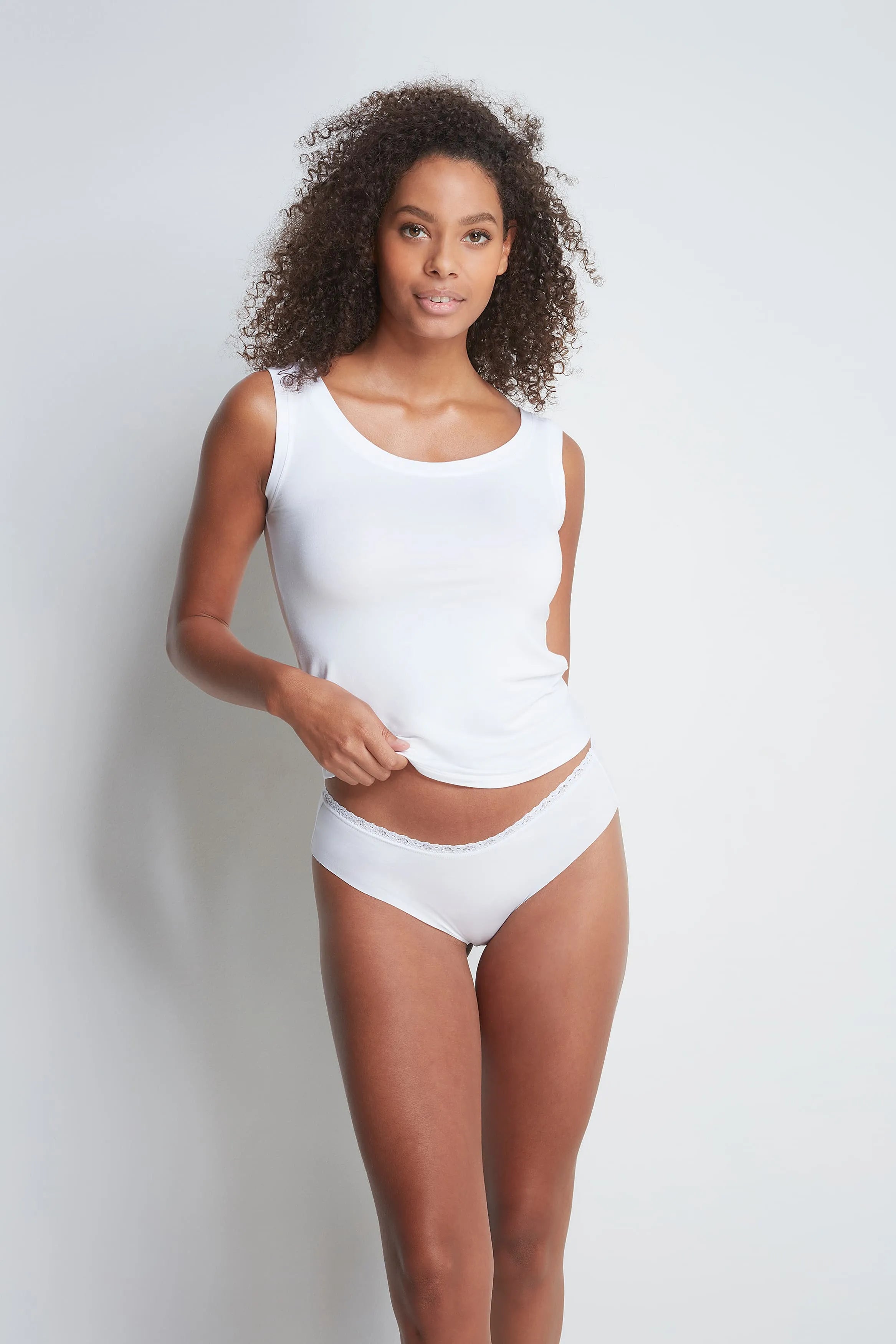
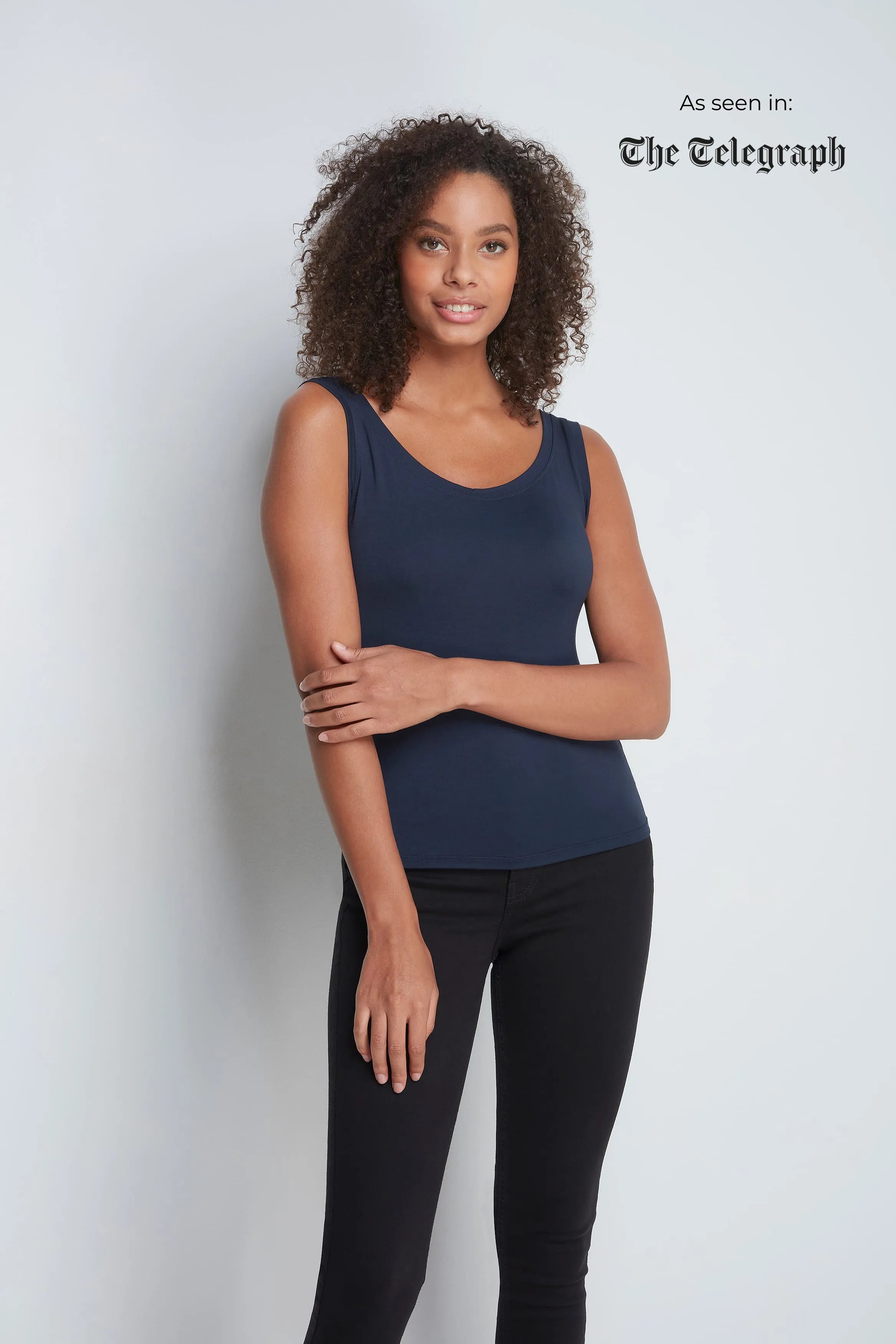
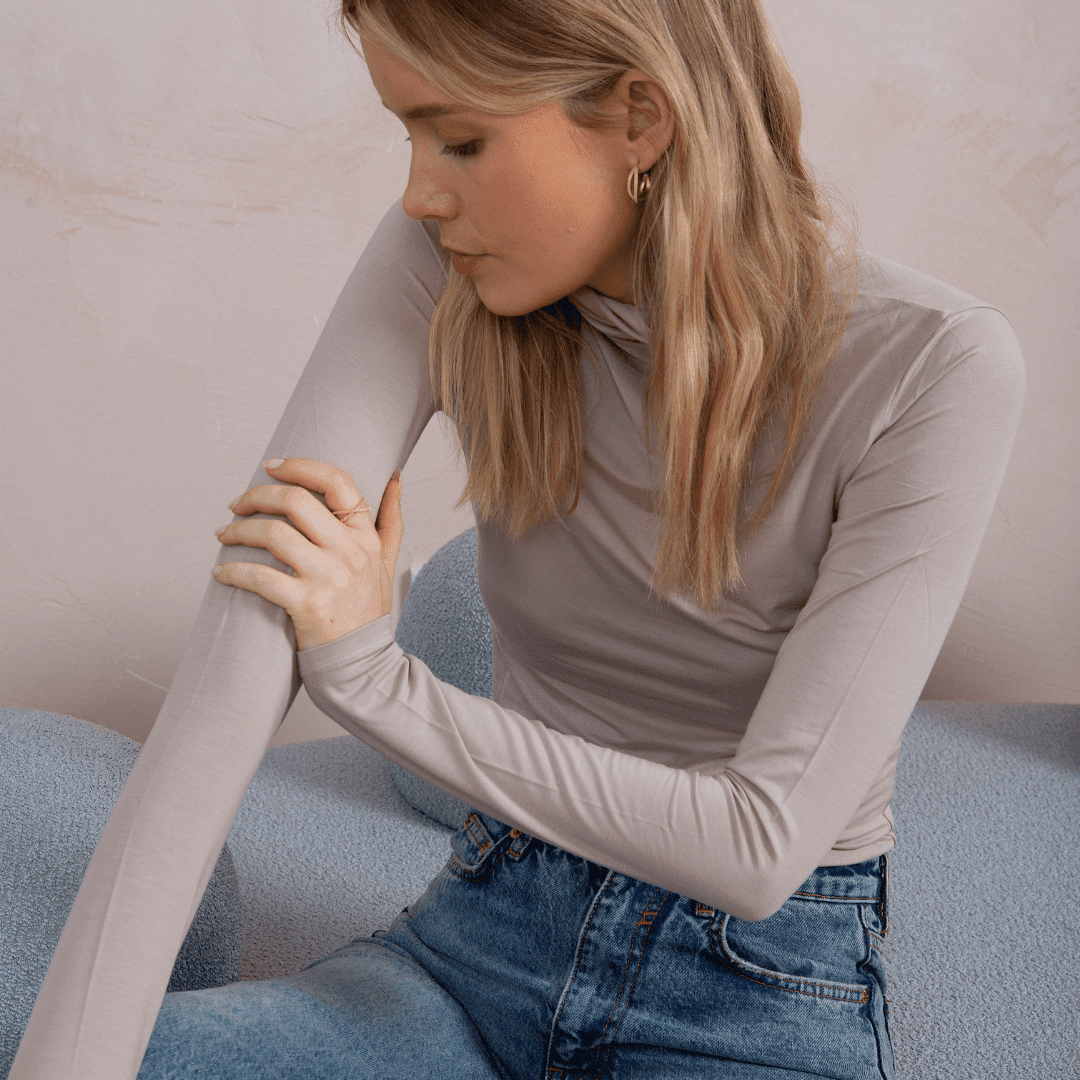
TENCEL™ Modal is made from beech wood pulp. It has a smooth, silky feel and is breathable, which is why we use it in many of our tops, leggings and nightwear, including our Micro Modal Roll Neck and Micro Modal Vest Top.
TENCEL™ Lyocell vs linen
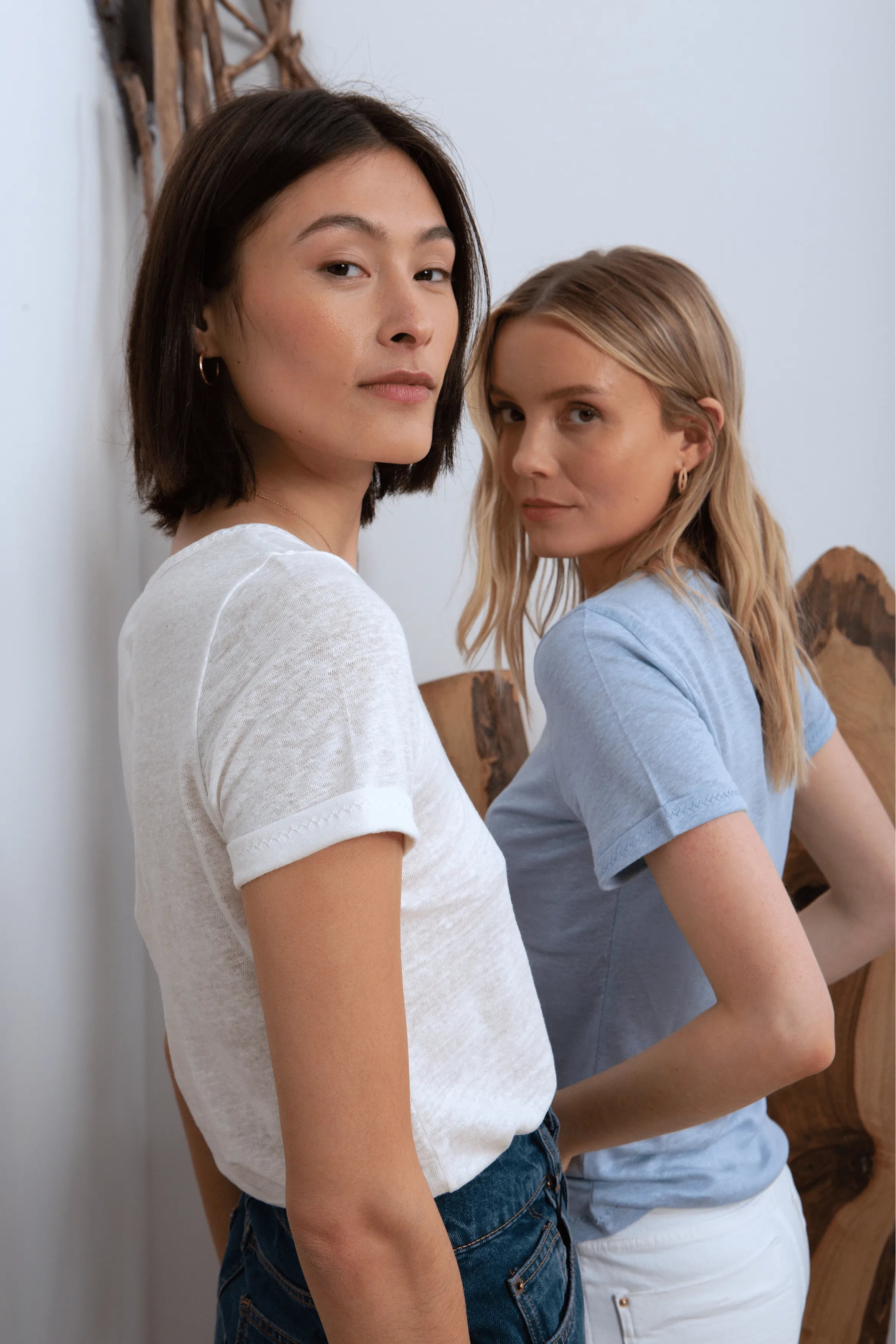
TENCEL™ Lyocell is smooth and drapes well. Linen is light and breathable, which suits warm weather, and softens with washing. The choice comes down to personal preference and how your skin responds.
Cashmere and wool
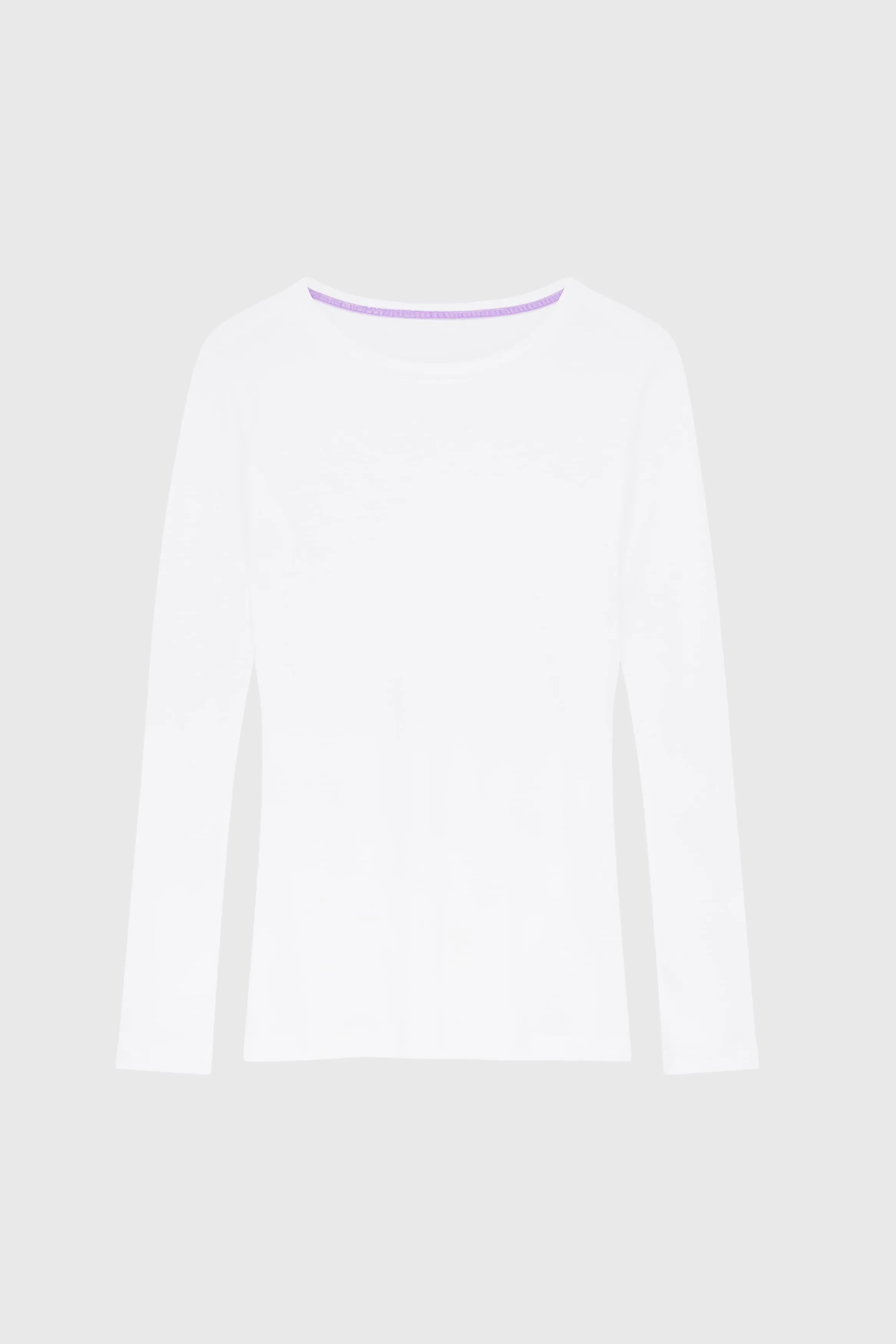
Cashmere is much finer and softer than ordinary wool, and many people find it comfortable next to the skin. If you find wool itchy, try a small piece first, or wear it over a soft layer such as a long sleeve modal top.
Everyday pieces to look for
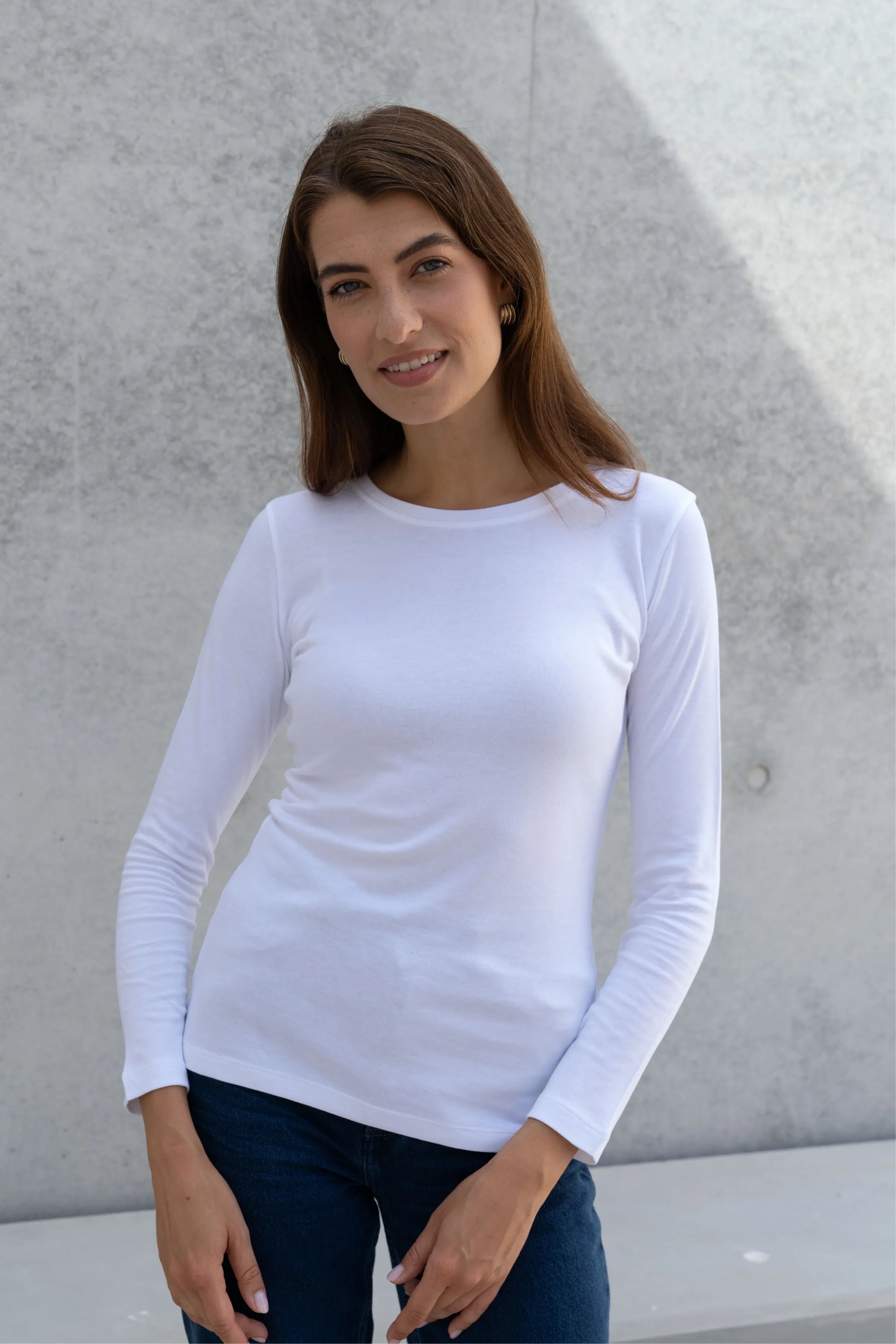
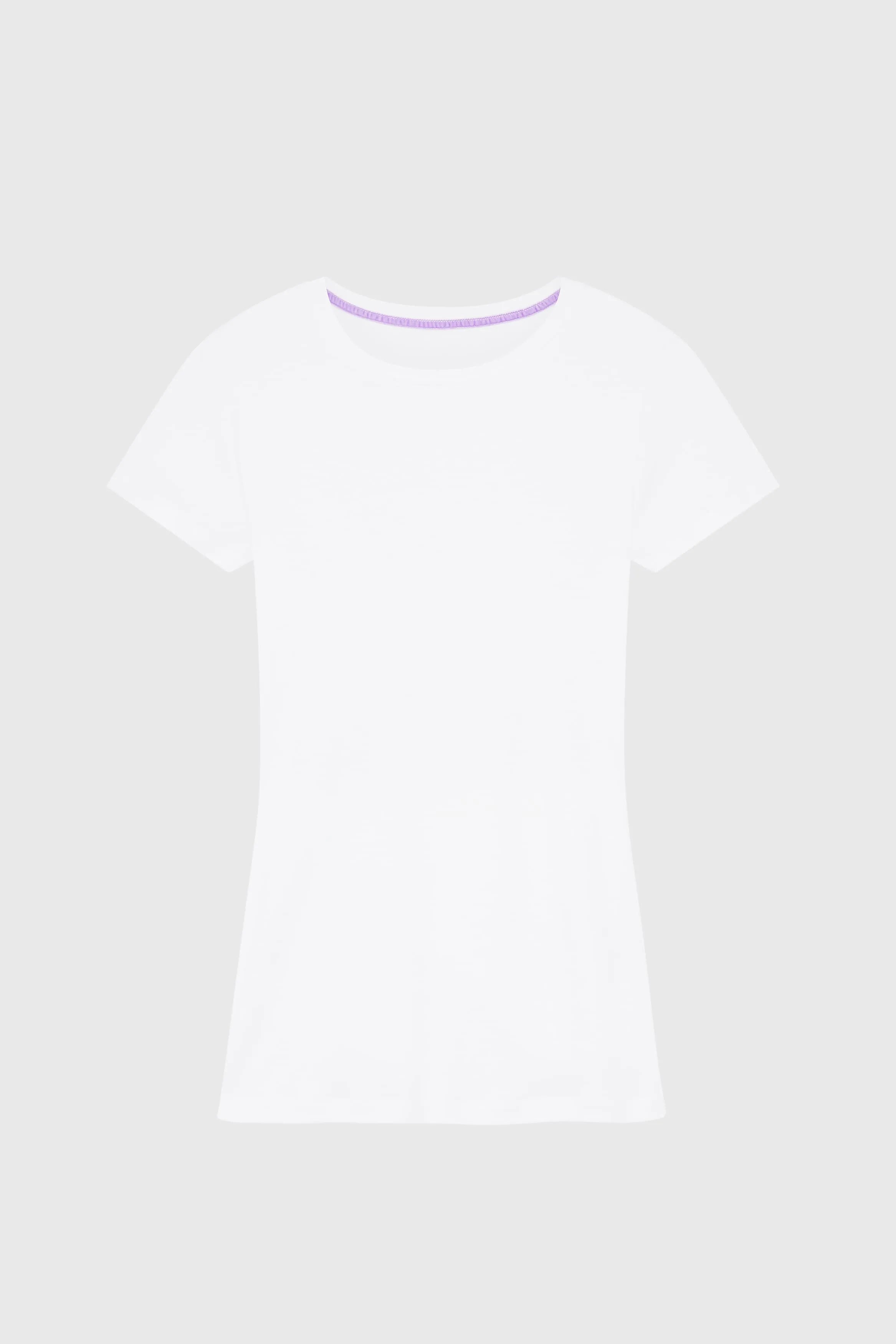
- T-shirts: soft natural or plant-based fibres in a relaxed fit. Our cotton modal T-shirts have their labels at the hem rather than a tag at the back of the neck.
- Leggings: flat seams and a soft waistband. Our modal leggings are a good place to start.
- Nightwear: loose, soft modal pyjamas.
- Underwear and bras: soft fabrics, adjustable straps and no scratchy trims.
Caring for your wardrobe
- Follow the care label on each garment.
- Many people find fragrance-free detergent more comfortable.
- Rinse thoroughly, and use fabric softener sparingly or not at all if it bothers your skin.
Conclusion
Choosing soft fibres, relaxed fits and flat seams is a good starting point. Check the fibre content on each product page, and speak to a healthcare professional if you have a skin condition. For more on fabrics, see Behind the Seams: Our Fabrics, or browse our soft fabric edit.