How To Get Rid Of Moths At Home
Clothes moths damage wool, cashmere, silk and other animal fibres, and they can also turn up in carpets, bedding and the pantry. This guide covers practical ways to find, remove and prevent moths in each part of the home, with a note on traditional scented deterrents such as cedar wood and lavender bags. It finishes with answers to common questions.
How to get rid of moths at home
Cleaning and storage do most of the work. Scents can be a useful extra, but there is no guarantee that any of them will keep moths away on their own.
- Vacuum wardrobes, carpets, rugs and upholstery regularly, paying attention to edges, corners and under furniture.
- Wash or dry clean clothes before storing them, especially anything worn and not yet washed.
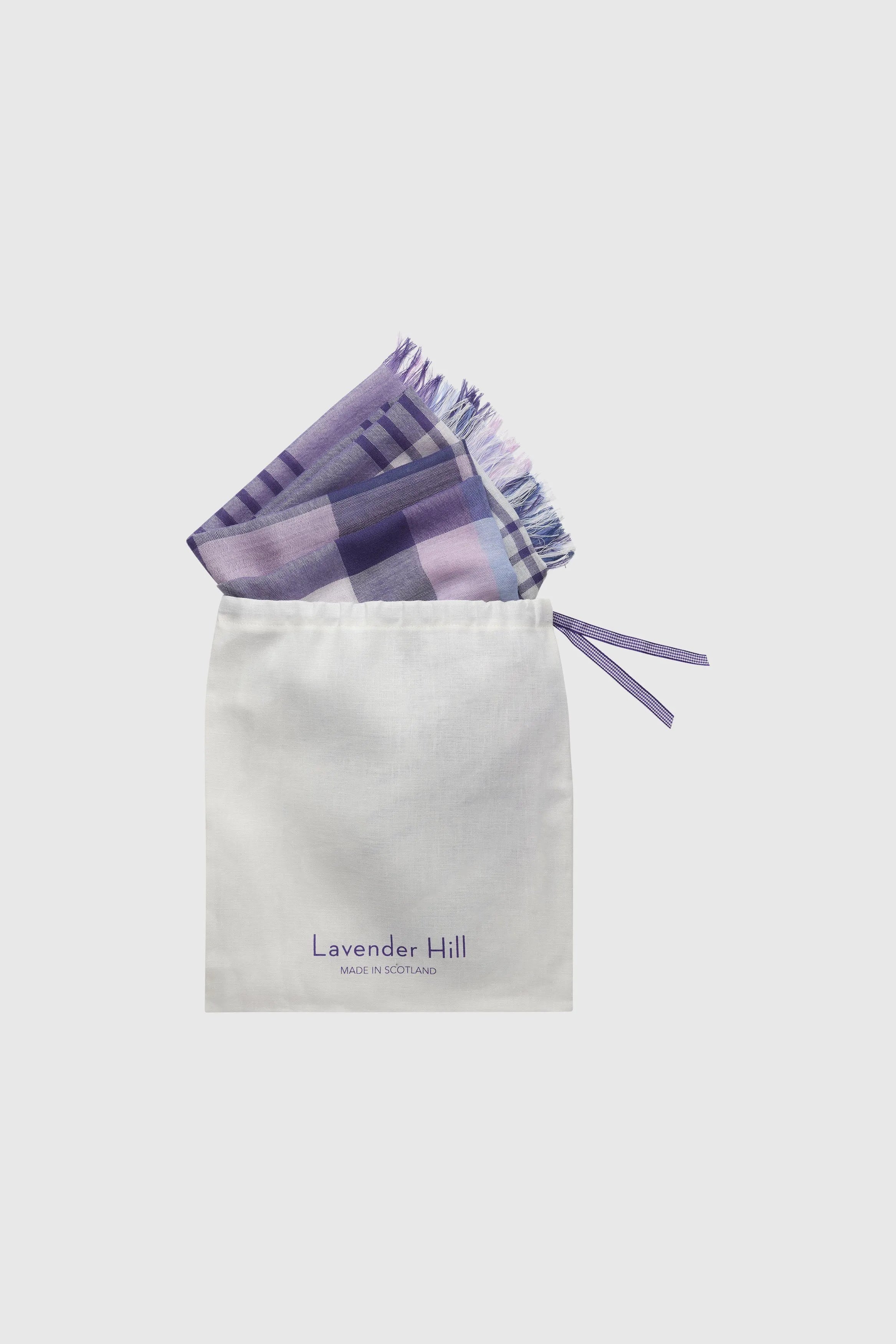
- Store knitwear and out-of-season clothes in sealed containers or garment bags.
- Inspect second-hand clothing and furniture for webbing or small holes before bringing it indoors.
- Use pheromone traps to find out whether moths are active and where. They help you monitor a problem; they do not clear an infestation by themselves.
Some people also use scented products in wardrobes and drawers, such as lavender, peppermint or cedarwood oil, or sachets of dried rosemary, thyme or mint. These are traditionally used and many people like the scent, but treat them as a pleasant addition to cleaning and sealed storage, not a replacement for it.
Preventing moth infestations
Adult moths lay eggs on fabric, and the larvae feed on keratin in fibres such as wool, cashmere and silk. They favour dark, undisturbed places and fabric with food, sweat or skin oils on it. Prevention is mostly about removing those conditions.
Deep-clean your wardrobe and clothes
Empty the wardrobe, vacuum the floor, shelves and corners, and wipe surfaces down. Wash what can be washed at the temperature on the care label, and dry clean what cannot. Put clean seasonal clothes into airtight containers or vacuum-sealed bags. Cedar blocks and lavender are traditionally kept alongside stored clothes, and some people find that worthwhile.
Wash and steam clothes
Heat can help to deal with eggs and larvae. Washing at the highest temperature the label allows, or a hot tumble dry where the care label permits, is a common approach. Steaming garments can also be useful for items that cannot go in the machine. Check the care label first: wool, silk and cashmere need gentle treatment, and dry cleaning is the safer option for delicate pieces. Inspect and air wool, silk and cashmere items regularly.
Use cedar wood chips and oil
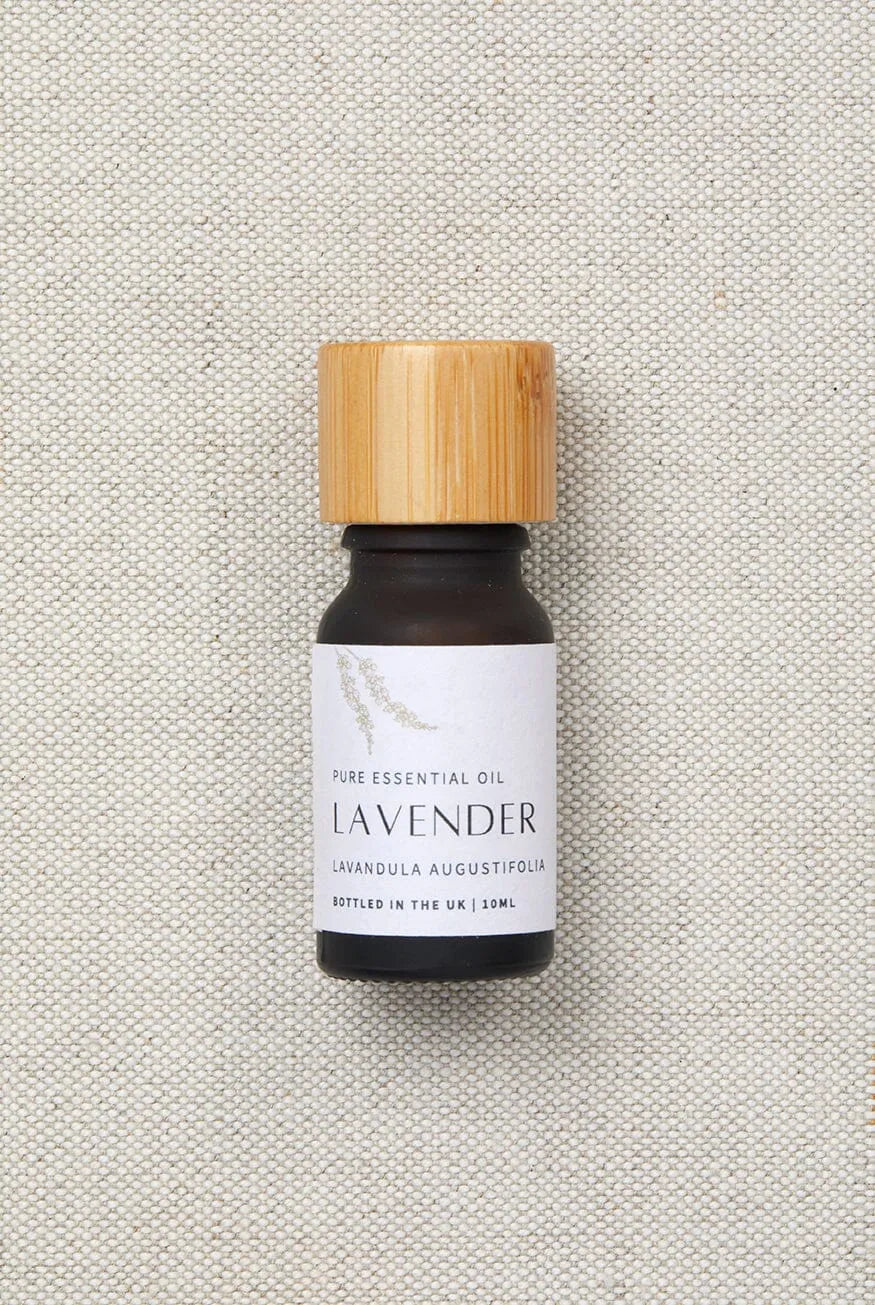
Cedar has long been used in wardrobes and drawers, and some people place chips, blocks or a cedar wood heart among their clothes for the scent. We would not rely on it to stop moths, and the scent fades, so refresh or lightly sand cedar from time to time. Keep essential oils away from fabric you will wear directly, test on a hidden area first, and keep oils out of reach of children and pets.
Hang lavender bags
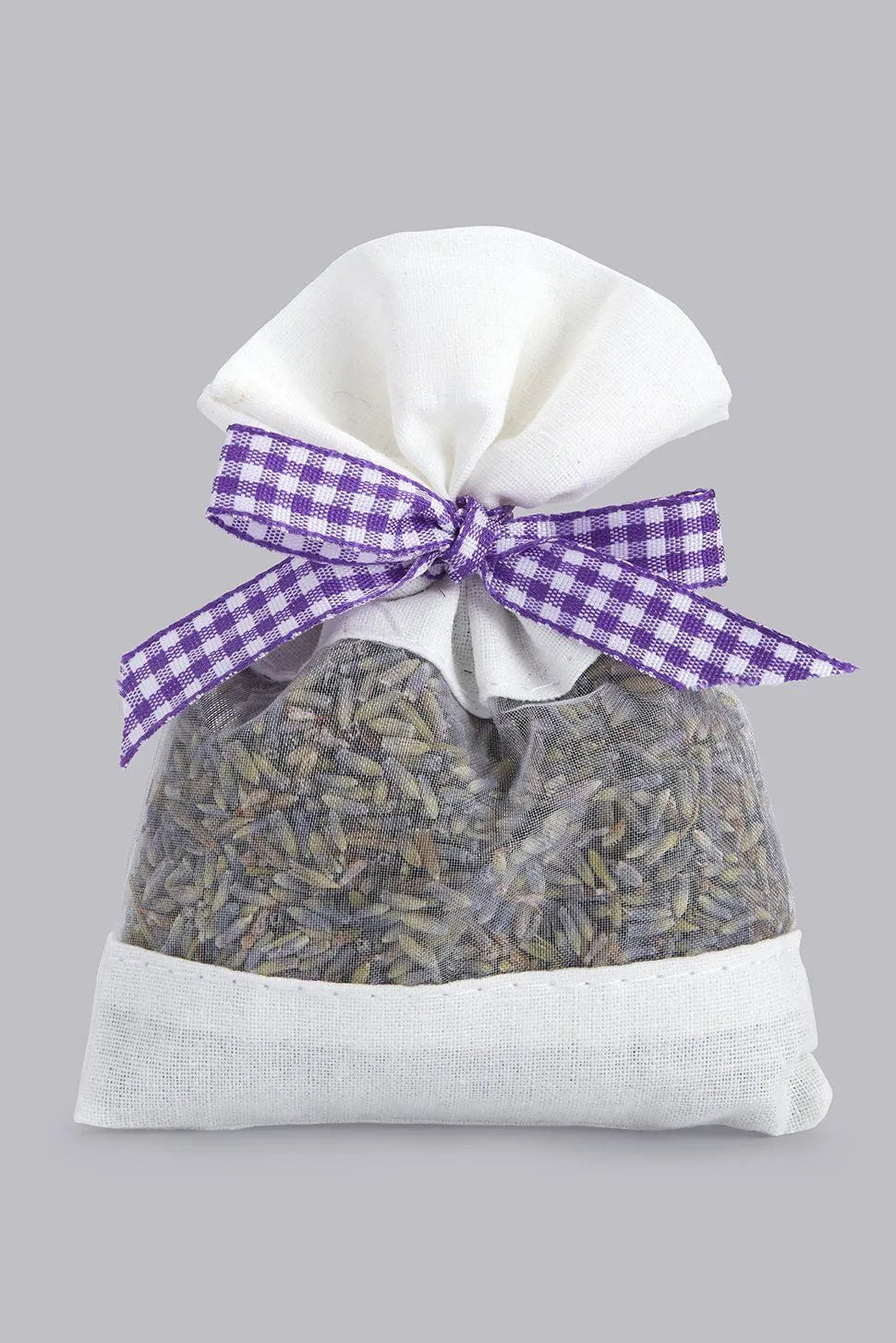
Small cloth bags of dried lavender are a traditional wardrobe and drawer fragrance, and the scent is a pleasant one. Hang them among your clothes and replace or refresh them when the scent fades. Shop our lavender bags.
Make an herbal sachet
You can fill a small cloth bag with dried lavender, thyme or rosemary and put it in a drawer or wardrobe. Some people use them in the pantry too. As with other scented options, they are a traditional extra rather than a proven solution, so keep up the cleaning and sealed storage.
Protecting your wardrobe from moths
- Keep wool, cashmere and silk in garment bags or sealed containers.
- Wear and rotate pieces. Moths tend to settle on clothes that stay untouched for long periods.
- Vacuum storage areas regularly to remove hair, fibres and dust that larvae can feed on.
- Replace scented sachets or cedar when the scent fades.
- If you already have an infestation, consider asking a pest control professional for advice.
Use airtight containers for storage
Sealed containers and vacuum-sealed bags stop adult moths reaching your clothes. Make sure everything goes in clean and dry. Mothballs are sometimes used, but they contain chemicals that can be harmful to people and pets, so follow the packaging instructions carefully or choose other methods.
Space out your clothes
Crowded wardrobes are harder to inspect and give moths undisturbed places to settle. Leave enough room between garments for air to circulate, keep clothes off the floor of the wardrobe, and vacuum the wardrobe regularly. If you use plastic containers, only seal away clothes that are completely dry, as damp can cause mould.
Use scented hangers or sachets
Cedar or lavender hangers and sachets are a traditional way of keeping stored clothes smelling fresh. Replace them regularly, and treat them as an addition to cleaning and sealed storage.
Getting rid of moths in carpets and bedding
Vacuum carpets, rugs and bedding often, including along skirting boards and under furniture. A vacuum with a HEPA filter can help remove debris and larvae. Wash bedding at the highest temperature the care label allows. For rugs and carpets with a heavy infestation, steam cleaning or professional treatment may be needed.
Vacuum carpets regularly
Moth larvae feed on wool and other animal-fibre rugs and blankets, often under sofas and beds. Vacuum thoroughly, empty the vacuum cleaner outside afterwards, and look for webbing, cocoons or small holes. If you find signs of a widespread problem, a pest control professional can advise on treatment.
Freeze infested items
Freezing is a common way to treat small items. Seal the item in a bag and freeze it for at least 72 hours, then wash or clean it as the care label allows. This suits small items better than large bedding.
Use mothballs or insecticides as a last resort
Try cleaning, laundering, freezing and sealed storage first. If the problem continues, speak to a pest control professional rather than relying on chemicals yourself, and always follow the manufacturer's safety instructions.
Preventing moth infestations in pantries and food storage
Pantry moths are a different species from clothes moths, but the principles are similar. Clean shelves regularly, store dry foods in airtight containers, check best-before dates, and throw out anything infested. Freezing affected dry goods for at least 72 hours is a common step. Inspect new food before it goes into storage.
Store food in airtight containers
Cereals, grains, flour, pasta, nuts and dried fruit should be in sealed jars or containers. This stops adult moths laying eggs in your food. If you find signs of moths, discard the affected food and clean the shelves thoroughly.
Vinegar, bay leaves and herbs
Some people wipe shelves with diluted vinegar and keep bay leaves or strong-smelling herbs in the pantry. Wiping shelves is a useful cleaning step. Treat the herbs as a traditional extra, and rely mainly on airtight containers and regular cleaning.
Keep old and new food separate
Use older packets first and avoid topping up open containers with new stock. Old, forgotten food is where infestations tend to start, so check the back of cupboards regularly.
FAQs about moths and infestations
Do moths eat clothes?
It is the larvae that cause the damage. They feed on keratin in wool, cashmere, silk and other animal fibres, and on fabric with food or sweat on it. Cleaning, rotating and sealed storage reduce the risk.
How can I tell if I have a moth infestation?
Look for adult moths, larvae, cocoons, webbing, small holes in fabric and, in the kitchen, webbing in dry foods. Check wardrobes, drawers, under furniture and the back of cupboards. Pheromone traps can help confirm that moths are present.
What causes a moth infestation?
Adult moths laying eggs on fabrics or food. They can arrive on second-hand items, through open windows, or from an existing source elsewhere in the home.
Which scents are used against moths?
Cedar, lavender, peppermint, rosemary, thyme and bay are traditionally used in wardrobes and pantries. They are pleasant to use, but we would not rely on any of them alone. Cleaning and sealed storage matter more.
Are there any health risks from moths?
Adult clothes moths do not bite. If you have a skin reaction or an allergy you think is linked to an infestation, speak to a doctor or pharmacist, and ask a pest control professional about severe infestations.
When should I call a professional?
If you find moths in several rooms, in carpets or in large amounts of stored clothing, or if your own efforts have not worked after a few weeks, a pest control professional can advise on treatment.